









As an Amazon Associate, Early Bird Wins earns from qualifying purchases. We may also earn from other affiliate links on this page at no extra cost to you.
Disclosure: Early Bird Wins may earn a commission when you buy through links on this page, at no extra cost to you. This article is news and education, not financial advice. ETF fees, staking rates and flows change daily — check each issuer’s page before you buy. We have not hands-on tested the hardware wallets mentioned; picks are based on manufacturer specs and listing details.
Last updated: Oct 26, 2026 (fund data as of Oct 22–23, 2026)
Quick answer: Yes — there are now nine US spot Solana ETFs/ETPs trading: BSOL (Bitwise), FSOL (Fidelity), GSOL (Grayscale), MSOL (Morgan Stanley), VSOL (VanEck), SOEZ (Franklin Templeton), TSOL (21Shares), QSOL (Invesco Galaxy) and SOLC (Canary Marinade). All nine stake their SOL. Together they hold roughly $1.6 billion, with about $1.53 billion of cumulative net inflows since the first fund (BSOL) listed on Oct 28, 2025. Bitwise’s BSOL is by far the largest (~$1.1B). October 2026 has been a month of steady outflows, after a strong run of inflows in September.
Approved US spot Solana ETFs (October 2026)
Here is every US spot Solana fund that is live, with the sponsor fee, whether it stakes, how staking income reaches shareholders, and approximate assets. Bitwise’s BSOL was the first, listing on NYSE Arca on Oct 28, 2025 (Bitwise), and Grayscale converted its older Solana trust into GSOL the next day (Grayscale).
| Ticker | Fund | Sponsor fee | Stakes SOL? | How staking income reaches you | Approx. assets |
|---|---|---|---|---|---|
| BSOL | Bitwise Solana Staking ETF | 0.20% | Yes (~99%) | Kept in the fund (adds to NAV) | ~$1.1B |
| FSOL | Fidelity Solana Fund | 0.25% | Yes | Cash, quarterly | ~$210M |
| GSOL | Grayscale Solana Staking ETF | 0.19% | Yes (100%) | Cash, monthly | ~$178M |
| MSOL | Morgan Stanley Solana Trust | 0.14% | Yes | Cash, monthly | ~$53M |
| VSOL | VanEck Solana ETF | 0.30% | Yes (~86%) | Cash, quarterly | ~$21M |
| SOEZ | Franklin Solana ETF | 0.19% | Yes | Cash, monthly | ~$15M |
| TSOL | 21Shares Solana Staking ETF | 0.21% | Yes | Cash, quarterly | ~$9M |
| QSOL | Invesco Galaxy Solana ETF | 0.25% | Yes (partial) | Cash, quarterly | ~$6M |
| SOLC | Canary Marinade Solana ETF | 0.50% | Yes | Kept in the fund | ~$4M |
Not on the list (but often confused with it): REX-Osprey’s SSK (SOL + Staking ETF, 0.75%) uses a different, 1940-Act fund structure; Volatility Shares’ SOLZ (0.95%) and 2x SOLT (1.85%) and ProShares’ leveraged SLON track Solana futures, not spot SOL. Multi-coin index funds such as Hashdex’s NCIQ hold some SOL too, but they are not pure Solana funds (The Block).
Solana ETF fees: the headline fee is only half the story
Every staking fund charges two things: the sponsor fee on assets (the 0.14%–0.50% above) and a staking fee — a cut of the staking rewards kept by the sponsor and its validator partner. Farside lists these staking cuts as follows:
| Fund | Sponsor fee | Staking fee (share of rewards) |
|---|---|---|
| MSOL | 0.14% | 5% |
| GSOL | 0.19% | 7% |
| SOEZ | 0.19% | 8% |
| BSOL | 0.20% | 6% |
| TSOL | 0.21% | 10%+ |
| FSOL | 0.25% | 15% |
| VSOL | 0.30% | 25% |
Published net staking yields (after staking fees) ran from about 3.7% (GSOL) to 6.4% (SOLC) in the latest issuer disclosures compiled by CryptoETF.today. VanEck reported a 4.76% net staking yield for VSOL as of Sept 30, 2026 (VanEck fact sheet). Those yields are historical, not promises — they move with Solana’s network rewards and validator performance.
Solana ETF flows: what the money is doing
Flows measure new shares created (inflows) or redeemed (outflows). After a strong September — including an $86.7M inflow day on Sept 25, 2026 — the US Solana funds turned to steady outflows in October:
| Date (2026) | Net flow, US spot SOL ETFs |
|---|---|
| Oct 7 | −$4.8M |
| Oct 8 | −$3.5M |
| Oct 9 | −$3.8M |
| Oct 12 | −$0.7M |
| Oct 13 | −$1.0M |
| Oct 14 | −$1.3M |
| Oct 15 | −$9.8M |
| Oct 16 | −$12.7M |
| Oct 19 | −$6.7M |
| Oct 20 | −$2.6M |
| Oct 21 | +$0.6M |
| Oct 22 | −$8.9M |
| Oct 23 | $0.0M |
- Bitwise dominates both ways. BSOL holds about 69% of all SOL in US ETFs and accounted for most of October’s redemptions (for example −$12.7M on Oct 16).
- Assets fell with price and flows. Total net assets slipped from about $1.9B at the start of October to about $1.6B by Oct 22 (SoSoValue data via CoinPulseHQ).
- Outflows are small relative to the base. Even a −$12.7M day is under 1% of total assets — a cooling of demand, not a stampede.
What’s next for Solana ETFs
- Staking payouts are becoming the norm. VanEck told the SEC on Oct 5, 2026 that VSOL will pay staking income in cash at least quarterly (first distribution paid Oct 7), citing the IRS safe harbor in Revenue Procedure 2025-31 for grantor trusts that stake (VanEck 8-K). Grayscale’s GSOL already pays monthly (Grayscale). Expect payout policy — cash vs. reinvested — to become a real way funds compete.
- Fee pressure. Sponsor fees already range from 0.14% to 0.50%. With nine funds chasing about $1.6B, more cuts to sponsor or staking fees are plausible — but none have been announced as of this update.
- Asia is adding funds. Hong Kong got its second spot Solana ETF when Pando listed 2831.HK on Oct 13, 2026 (0.60% management fee, no staking), joining ChinaAMC’s 2025 fund (crypto.news).
- Flows will track price. The Solana benchmark used by Grayscale was about $103 on Oct 23, 2026 (Grayscale). Watch whether October’s outflows reverse if SOL steadies.
Solana ETF vs buying SOL directly
| Spot Solana ETF | Buying SOL yourself | |
|---|---|---|
| Where you buy | Any brokerage account; also IRAs/401(k)s that allow it | Crypto exchange or wallet app |
| Trading hours | Stock-market hours only | 24/7 |
| Staking | Fund stakes for you; you get cash payouts or a rising NAV, minus fees | You stake yourself (exchange, liquid staking or a validator) and keep more of the reward |
| Ongoing cost | 0.14%–0.50% a year plus the staking cut | No annual fee; trading/withdrawal fees and validator commission |
| Custody | Institutional custodian (e.g. Coinbase Custody) | Exchange custody, or self-custody on a hardware wallet |
| Use on-chain | No — you own fund shares, not SOL | Yes — DeFi, NFTs, payments |
| Paperwork | Brokerage 1099; simpler for many US investors | You track every buy, sell and staking reward |
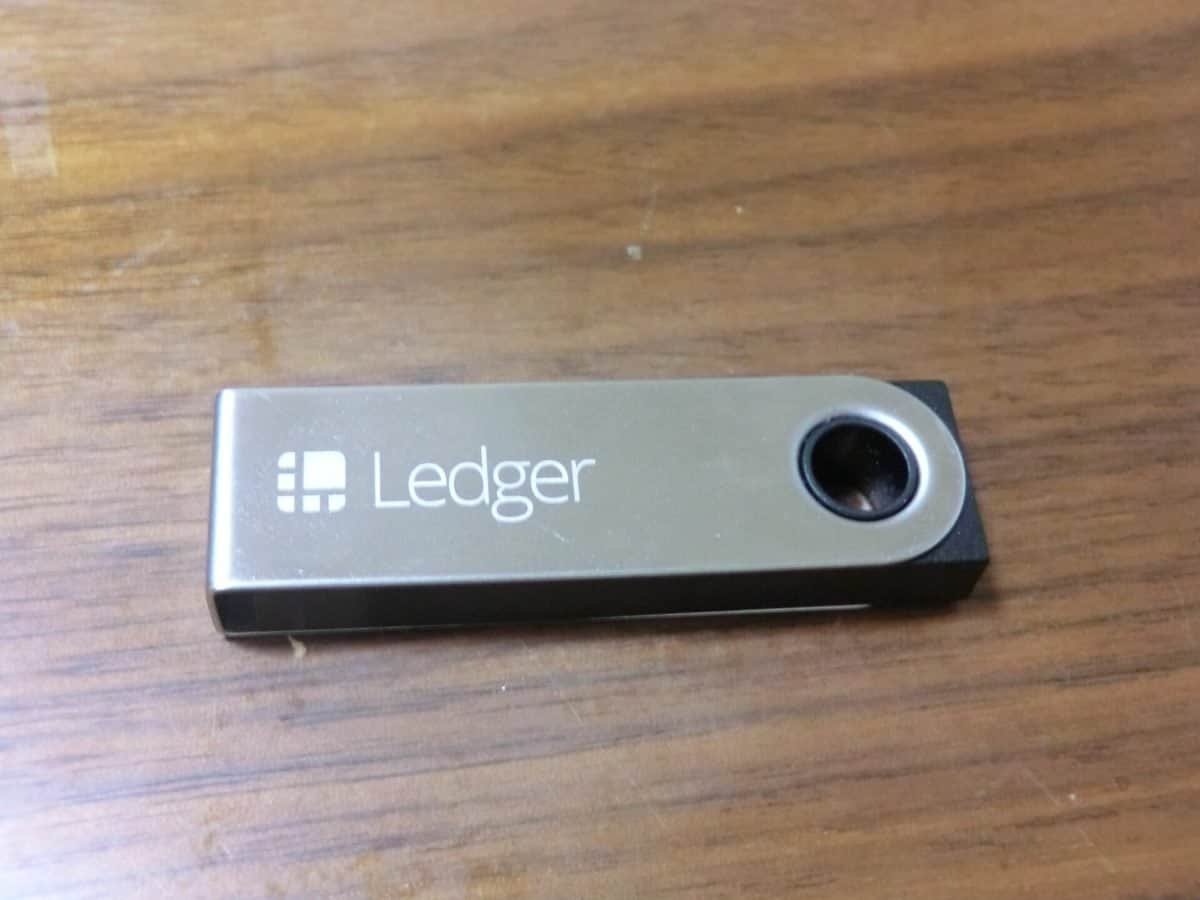
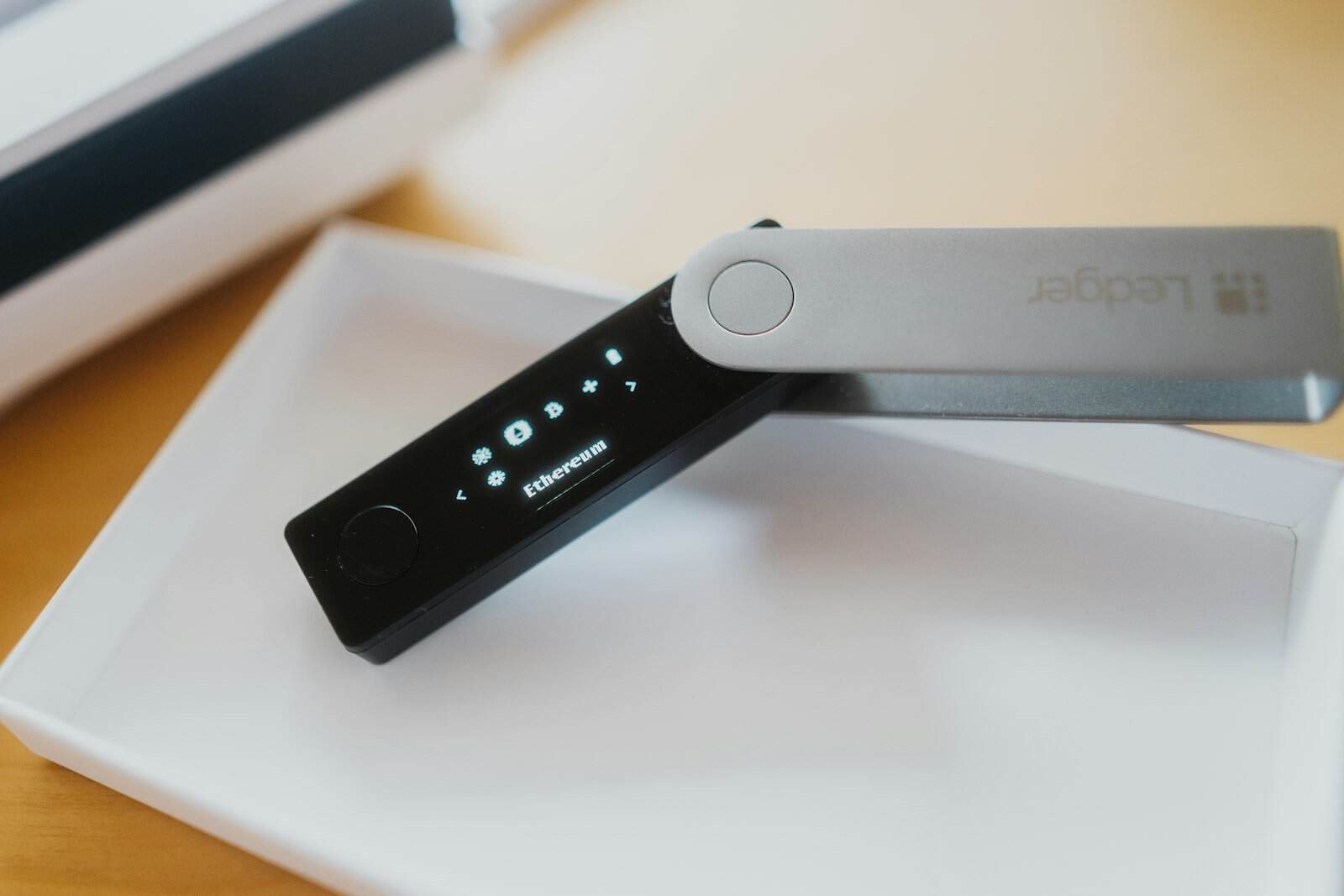
Rule of thumb: an ETF suits long-term exposure inside an existing brokerage or retirement account. Owning SOL directly makes sense if you want to use it on-chain or keep the full staking reward — but then security is your job. If you go that route, a hardware wallet keeps your keys offline. Both Ledger and Trezor support Solana:

- More than just crypto: confirm your device is authentic with Genuine Check, manage all your logins with Ledger Security …
- Industry-defining security: battle-tested by the Donjon’s white hat hackers, protected by the Secure Element, and powere…
- Connect effortlessly with Ledger Wallet: pair your secure Ledger signer with the all in one Ledger Wallet crypto app to …

- TREZOR SAFE 7 + KEEP METAL BUNDLE: Next-generation hardware wallet featuring the world’s first transparent and auditable…
- REVOLUTIONARY DUAL-CHIP SECURITY: Combines the open-source TROPIC01 Secure Element with an additional NDA-free EAL6+ Sec…
- QUANTUM-READY CRYPTO PROTECTION: The first hardware wallet designed with post-quantum cryptography, helping secure firmw…
Before you buy a wallet, read our guides on how to buy a hardware wallet safely and hardware wallet Black Friday 2026 deals, or compare models in our best hardware wallet 2026 roundup.
A note for Singapore and other non-US readers
US-listed Solana ETFs are generally reachable through brokers that offer US stocks, but rules differ by country and broker, and non-US investors can face US withholding tax on distributions and US estate-tax exposure on US-listed assets. Hong Kong-listed Solana ETFs (ChinaAMC and Pando’s 2831.HK) are an alternative for some Asian investors, though Pando’s fund does not stake. Check with your broker and a tax adviser before buying.
Solana ETF FAQ
Is there a Solana ETF?
Yes. As of October 2026 there are nine US spot Solana ETFs/ETPs: BSOL, FSOL, GSOL, MSOL, VSOL, SOEZ, TSOL, QSOL and SOLC. The first, Bitwise’s BSOL, began trading on Oct 28, 2025. Futures-based and leveraged Solana ETFs (such as SOLZ and SOLT) also exist.
Which Solana ETF has staking?
All nine US spot Solana funds stake their SOL. GSOL, MSOL and SOEZ pay staking income in cash monthly; FSOL, VSOL, TSOL and QSOL pay quarterly; BSOL and SOLC keep rewards inside the fund, which adds to the share value. Net staking yields disclosed by issuers ranged from about 3.7% to 6.4% in October 2026 and are not guaranteed.
Which Solana ETF is the cheapest?
By sponsor fee, Morgan Stanley’s MSOL (0.14%) is lowest, followed by GSOL and SOEZ (0.19%) and BSOL (0.20%). Also compare each fund’s staking fee — the share of rewards it keeps — which ranges from about 5% to 25%.
Which Solana ETF is the biggest?
Bitwise’s BSOL, with about $1.1 billion in assets and roughly 69% of all SOL held by US Solana ETFs as of Oct 22–23, 2026.
SOL ETF vs buying SOL — which is better?
A Solana ETF is simpler: you buy it in a normal brokerage or retirement account, the fund handles custody and staking, and you pay a yearly fee. Buying SOL directly costs nothing per year to hold, trades 24/7, lets you use it on-chain and keep the full staking reward, but you are responsible for security and tax records. Neither is risk-free: SOL is highly volatile.
Are Solana ETF flows positive or negative right now?
Negative in October 2026. US spot Solana ETFs saw net outflows on most days from Oct 7 to Oct 22, about $30M in the five sessions to Oct 22, after strong inflows in September. Cumulative net inflows since launch are still about $1.53 billion.
Sources checked Oct 25–26, 2026: issuer pages for GSOL, VSOL and BSOL; VanEck’s Oct 5, 2026 8-K; flow data from Farside Investors and SolanaFloor; staking policies from CryptoETF.today. This is not investment advice; crypto ETFs can lose value quickly.