

Affiliate disclosure: Early Bird Wins may earn a commission from Amazon and partner links (including Ledger) at no extra cost to you.
Education only — not financial advice. This article is for educational and informational purposes only. It is not financial, investment, trading, or tax advice. Cryptocurrency prices are volatile; do your own research and consult a qualified professional before making any investment decisions. Early Bird Wins and the author may earn commissions from affiliate links.
Quick answer: Zcash (ZEC) is a proof-of-work privacy coin with a Bitcoin-style ledger. It adds optional shielded transactions that use zk-SNARKs to hide sender, recipient, and amount. As of late October 27, 2026 (ET), CoinGecko listed ZEC at about $1,309, with a market cap of roughly $22 billion (top 10) and a gain of about 291% over the past year. Its next network upgrade, NU7, is set to activate at block height 3,543,405, which should land around November 5–6, 2026. NU7 cuts the target block time from 75 seconds to 25 seconds and leaves daily ZEC issuance unchanged.
Privacy coins spent years on the sidelines of the crypto market. Over the past twelve months, Zcash has moved back into the conversation. It climbed into CoinGecko’s top ten, picked up a spot-ETF-style product with daily flow data, and is now heading into one of its biggest protocol changes in years.
This explainer covers what Zcash is, how its privacy model works, what the price action has looked like (using cautious, dated figures), and what the NU7 upgrade changes. We also compare it with Monero, look at the regulatory backdrop, and cover custody basics if you hold ZEC yourself.
What Is Zcash (ZEC)?
Zcash launched on October 28, 2016. It started from the Bitcoin codebase, so it shares Bitcoin’s basic design: a UTXO-style ledger, proof-of-work mining, and a fixed 21 million coin cap with halvings roughly every four years. CoinGecko shows about 17.0 million ZEC in circulation as of late October 2026.
Two differences matter most:
- Mining uses Equihash, not SHA-256. Equihash is a memory-oriented proof-of-work algorithm. Some data aggregators list Zcash as SHA-256, which is wrong. You can’t point Bitcoin hash power at Zcash.
- Zcash adds cryptographic privacy. On top of the Bitcoin-style base, Zcash added shielded payments built on zk-SNARKs (zero-knowledge succinct non-interactive arguments of knowledge).
Electric Coin Company (ECC) historically led protocol development. The Zcash Foundation also builds core software, including Zebra, an independent full-node implementation.
Transparent vs. Shielded: Two Kinds of ZEC Transactions
Zcash has two kinds of addresses and transactions. This matters for understanding both its privacy and how regulators see it.
- Transparent (t-addresses): These work like Bitcoin. Sender, recipient, and amount are all visible on the public blockchain.
- Shielded (z-addresses and Unified Addresses): zk-SNARKs prove a transaction is valid (no coins created from nothing, no double-spends) without revealing who sent it, who received it, or how much moved. Cryptographic markers called nullifiers stop the same note from being spent twice, even though the note itself stays hidden.
Privacy depends on which of the two you use. Funds that stay transparent are about as traceable as Bitcoin, while funds that stay shielded are cryptographically private within the shielded set.
Sprout, Sapling, Orchard: How the Shielded Pools Evolved
Zcash’s shielded system has been rebuilt several times, and each version is its own “pool”:
- Sprout — the original shielded pool from launch.
- Sapling — a later redesign that made shielded transactions much more practical, especially on mobile wallets.
- Orchard — arrived with the NU5 upgrade and uses the Halo proving system, which removed the “trusted setup” that earlier pools needed.
In 2026 developers also migrated users to a newer pool (Ironwood) after a circuit issue was found in Orchard. You don’t need the technical details to follow this article. It does show that shielded pools get retired and replaced over time, so keep your wallet software current.
How ZEC Has Performed Over the Past Year
Price and market figures below are for educational context only — not a recommendation to buy or sell ZEC.
All figures below are approximate, dated, and pulled from public data providers. They describe the past and don’t predict anything.
The Snapshot (Late October 27, 2026, ET)
| Metric (CoinGecko) | Approx. value |
|---|---|
| Price | ~$1,309 |
| Market cap | ~$22.3B (rank #10) |
| 24-hour change | ~+7.3% |
| 30-day change | ~−16.6% |
| 1-year change | ~+291% |
Providers differ slightly. CoinMarketCap showed about $1,311 and rank #9 at around the same time. A 1-year gain of about 291% means ZEC is up roughly 3–4x over twelve months. The 30-day figure shows that October itself was a rough month, despite the late rebound.
The Bigger Run: 2025 and the Privacy-Coin Rotation
Most of the move came earlier. A CoinGecko Research study of calendar-year 2025 found ZEC went from about $56.10 on January 1, 2025 to about $511.92 on December 31, 2025, a gain of roughly +812.5% for the year.
Market commentary through late 2025 and 2026 has largely described this as a privacy-coin rotation, with capital moving into privacy-focused assets over several rally legs. Higher peaks in 2026 have been reported, but we only cite dated figures we can tie to a primary data source. The direction is clear either way: ZEC started from a low base and became a top-ten asset by market cap.
ZCSH ETF Flows: A Late-October Rebound
Grayscale’s Zcash ETF trades under the ticker ZCSH, and flow trackers now report its daily creations and redemptions. According to public flow data (SoSoValue and other trackers):
- On October 23, 2026, ZCSH saw net inflows of roughly $20.52 million. That was its largest daily inflow of October so far and the fourth straight inflow day.
- Cumulative net inflows were reported at about $205.74 million as of the October 26 settled day.
- Net assets were reported at around $707 million after October 23 (sources differ slightly).
October as a whole was still net negative. Trackers showed roughly −$62 million in month-to-date net outflows through October 26. A few strong days late in the month didn’t erase the earlier selling.
Leverage: Why ZEC’s Daily Moves Can Be So Sharp
Leveraged futures on perpetual (“perp”) venues have added to ZEC’s swings. Two recent episodes:
- October 15, 2026: About $20 million in ZEC futures positions were liquidated, roughly 89% of them longs. ZEC fell about 13%, then bounced about 8.5% the next day to around $1,235 (CoinDCX, citing CoinGlass data). That was a long-liquidation flush followed by a recovery. It wasn’t a short squeeze.
- Late October 2026: On some days, forced short liquidations helped push prices up instead. In one 24-hour window around October 27–28, roughly $6.9 million of about $7.5 million in ZEC liquidations were shorts (Liqwall).
Leverage works in both directions. Forced liquidations can make a normal move much bigger, up or down, in a few hours. That’s a reason for caution, and it isn’t a trading signal.
The NU7 Upgrade Explained
Zcash upgrades the protocol through numbered Network Upgrades (NUs), each defined in Zcash Improvement Proposals (ZIPs). NU7 is the next one.
When Does NU7 Activate?
Under ZIP 259 (Deployment of NU7), NU7 activates on mainnet at block height 3,543,405. The upgrade is tied to that block number, not to a calendar date.
- The Zcash Foundation’s Zebra 7.0.0 release notes (October 22, 2026) say activation is planned for around November 5.
- The Zakura 1.7.0 node release from the same day estimated about 00:50 UTC on November 6.
The two estimates agree once time zones and normal variation in block times are taken into account. NU7 is targeted for early November 2026 (about November 5–6), and the exact time depends on how fast blocks arrive. Node operators need to upgrade before that height to stay on the network.
The Headline Change: 75-Second Blocks Become 25-Second Blocks
ZIP 218 cuts Zcash’s target block spacing from 75 seconds to 25 seconds. For users, that means:
- Faster first confirmations. The average wait for a transaction’s first confirmation drops about 3x, from roughly 75 seconds to roughly 25 seconds. Payments, exchange deposits, and wallet activity should feel quicker.
- More shielded capacity. In the example in ZIP 218, Orchard-protocol throughput rises from about 2.9 to 6.6 transactions per second, more than double.
- Lighter worst-case sync for mobile wallets. The ZIP estimates that worst-case light-client sync bandwidth under spam conditions falls by about 37%. That matters most for phone wallets syncing shielded data.
What Does Not Change: Issuance and the 21M Cap
A common question is whether three times as many blocks means three times as many new coins. It doesn’t. NU7 adjusts the economics so that ZEC issued per day stays the same:
- Block rewards are divided by 3.
- The remaining halving intervals, counted in blocks, are multiplied by 3, so halvings still happen on the same calendar schedule.
- Funding streams are adjusted to match.
Network Sustainability Mechanism (NSM), Briefly
NU7 also brings in parts of the Network Sustainability Mechanism (ZIP 235 / ZIP 237). 60% of transaction fees are taken out of circulation and put into a reserve, which is reissued later. The 21 million cap and four-year halving schedule are unchanged. The idea is to support long-term security funding without changing the supply cap.
Housekeeping: Old Transaction Formats and Sprout Funds
Two technical changes matter if you hold old coins:
- Version 4 transactions become invalid after NU7. Up-to-date wallets already handle this.
- Funds still in the original Sprout pool become unspendable if they aren’t migrated before activation. If you have very old shielded ZEC you haven’t touched in years, check this before the upgrade.
Zcash vs. Monero: Two Approaches to Privacy
Monero (XMR) is the other major privacy coin, and the two take different approaches.
Monero makes privacy mandatory. Every transaction uses ring signatures (mixing the real input with decoys), stealth addresses, and RingCT (hidden amounts). Because every transaction looks alike, nobody stands out by opting in. The anonymity is probabilistic and tied to ring size.
Zcash provides very strong cryptographic privacy inside the shielded pool. Shielded transactions can’t be told apart from one another. But a transparent pool also exists, so privacy is effectively opt-in unless your wallet defaults to shielded. Zcash also supports selective disclosure: viewing keys let you show your transaction history to an auditor, accountant, or regulator without making it public.
| Zcash (ZEC) | Monero (XMR) | |
|---|---|---|
| Privacy model | zk-SNARK proofs; shielded transactions can’t be distinguished within the shielded pool | Ring signatures (decoys), stealth addresses, RingCT |
| Default privacy | Opt-in (transparent and shielded pools coexist) | Mandatory for every transaction |
| Selective disclosure | Yes, via viewing keys / unified viewing keys | Limited; the design prioritizes uniform privacy |
| Mining | Proof-of-work (Equihash) | Proof-of-work |
Neither design is simply better. Monero’s uniform privacy avoids the “who opted in?” signal. Zcash’s shielded cryptography and viewing keys give it a stronger compliance story.
The Regulatory Backdrop
Privacy coins face more regulatory scrutiny than most crypto assets. The most frequently cited example is the European Union’s Anti-Money Laundering Regulation (AMLR). Coverage of its rules on “anonymity-enhancing” crypto assets generally points to July 2027 as the date regulated providers face restrictions. Exchange listings, delistings, and support for shielded withdrawals can vary by region.
That is a reported regulatory trajectory, not legal advice. Rules and how they’re interpreted can change, and they apply differently depending on where you live. Zcash’s selective-disclosure feature is often raised in these debates, but whether it satisfies any particular regulator is still an open question.
Privacy and future-proofing go together in crypto security. Our explainer on quantum computing and exposed Bitcoin keys covers a related question: what happens when cryptographic assumptions change.
Holding ZEC Safely: Custody Basics
If you hold ZEC, especially going into a protocol upgrade, a few practical steps help:
- Keep wallet software updated before the NU7 activation height. Old software may not follow the upgraded chain.
- Check whether your wallet supports shielded ZEC. Some exchanges and wallets only handle transparent addresses.
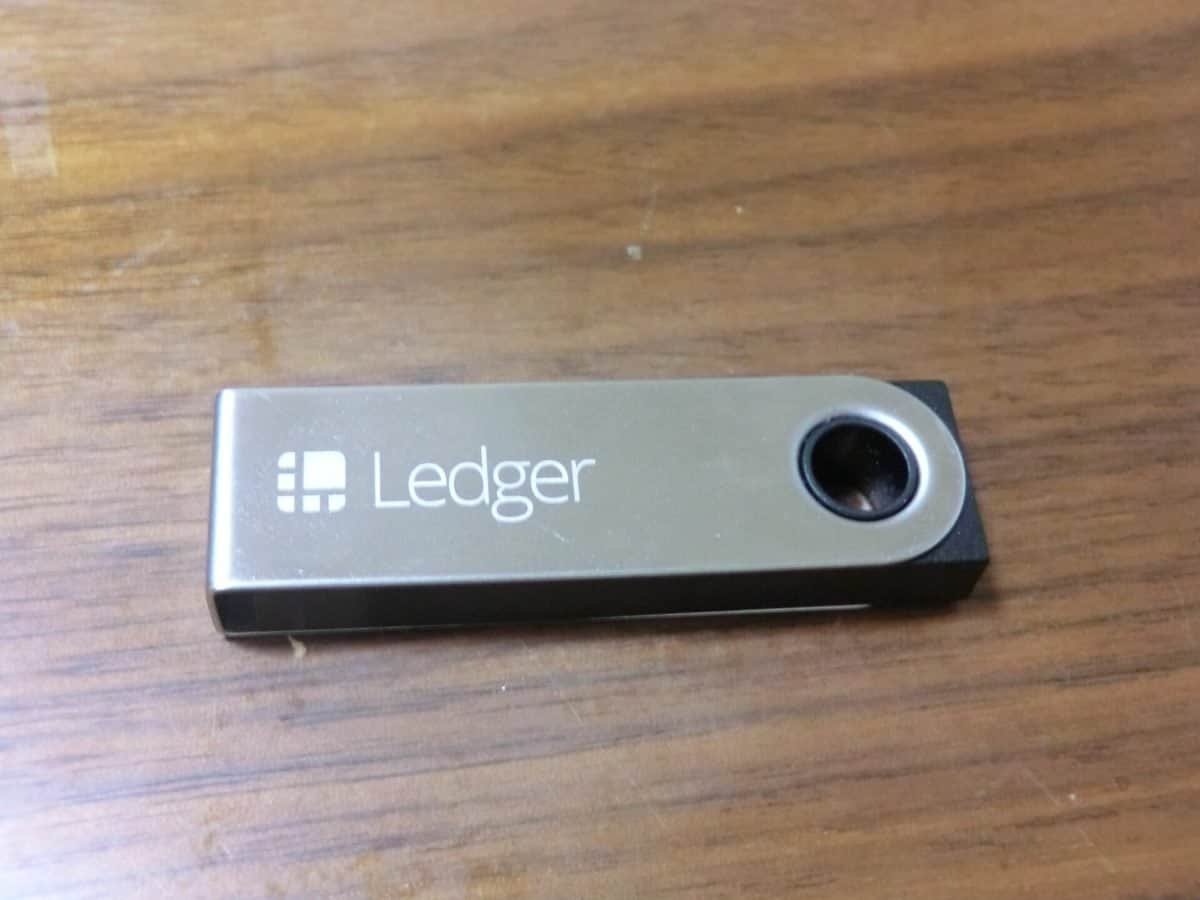
- Self-custody basics for long-term holdings: A hardware wallet keeps private keys offline, which is one common way holders reduce exchange-custody risk.
Before buying a device, read our guide on how to buy a hardware wallet safely to avoid tampered or counterfeit units. If you’re comparing brands, see Ledger vs. Trezor in 2026. Coin and shielded-feature support can differ by device and companion app, so check current support before you move funds.

FAQ
Is Zcash private by default?
Not always. Zcash has both transparent and shielded pools. Shielded transactions hide sender, recipient, and amount using zk-SNARKs, while transparent transactions are as visible as Bitcoin. How private you are depends on whether you and your wallet use shielded addresses.
When is the Zcash NU7 upgrade?
NU7 activates at mainnet block height 3,543,405 (ZIP 259). Release notes from October 22, 2026 estimate early November 2026, around November 5–6. The exact time depends on block production.
Does NU7 increase ZEC supply or inflation?
No. Blocks come three times as often (every 25 seconds instead of 75), but block rewards are divided by 3 and halving intervals are stretched to match, so daily issuance stays the same. The 21 million cap and four-year halving schedule are unchanged.
Is ZEC mined with SHA-256 like Bitcoin?
No. Zcash started from Bitcoin’s codebase and uses proof-of-work, but its mining algorithm is Equihash, not SHA-256.
Disclaimer: This article is for educational and informational purposes only. It is not financial, investment, trading, or tax advice. Cryptocurrency prices are volatile; do your own research and consult a qualified professional before making any investment decisions. Market figures are approximate and dated (as of late October 27, 2026, ET / America/New_York) and will change. Past performance does not predict future results. Leveraged trading carries significant risk of loss. Regulatory information is based on public reporting and may change. Early Bird Wins and the author may earn commissions from affiliate links.