






The idea that Bitcoin follows a sacred four-year rhythm has become investment folklore. But the pattern that traders lean on most—the halving-driven four-year cycle—was never the true engine behind the monster rallies. The real pulse to watch is macro liquidity, and the best single indicator of that pulse is the Purchasing Managers Index (PMI). The Purchasing Managers Index cuts through the noise of calendar-based thinking and reveals when money is actually flowing into risk assets.
Table of Contents
- How the four-year narrative formed and why it feels so comforting
- Correlation is not causation: why three cycles aren’t proof
- Three case studies: money printing, liquidity, and the Bitcoin rallies
- Enter the Purchasing Managers Index: the macro dial that matters
- How Purchasing Managers Index thresholds map to crypto behavior
- Why this cycle looks different: decoupling of the halving and liquidity clocks
- Why institutions change everything
- What to watch next: the macro signals that will make the difference
- Concrete rules of thumb for acting on Purchasing Managers Index signals
- Why selling now because of a calendar is a risky mistake
- How to position your portfolio without getting reckless
- Timeline and conditional scenarios to monitor
- Common objections and why they miss the point
- Checklist: what to watch this month
- Final takeaway
- Frequently Asked Questions
- Closing thoughts
How the four-year narrative formed and why it feels so comforting
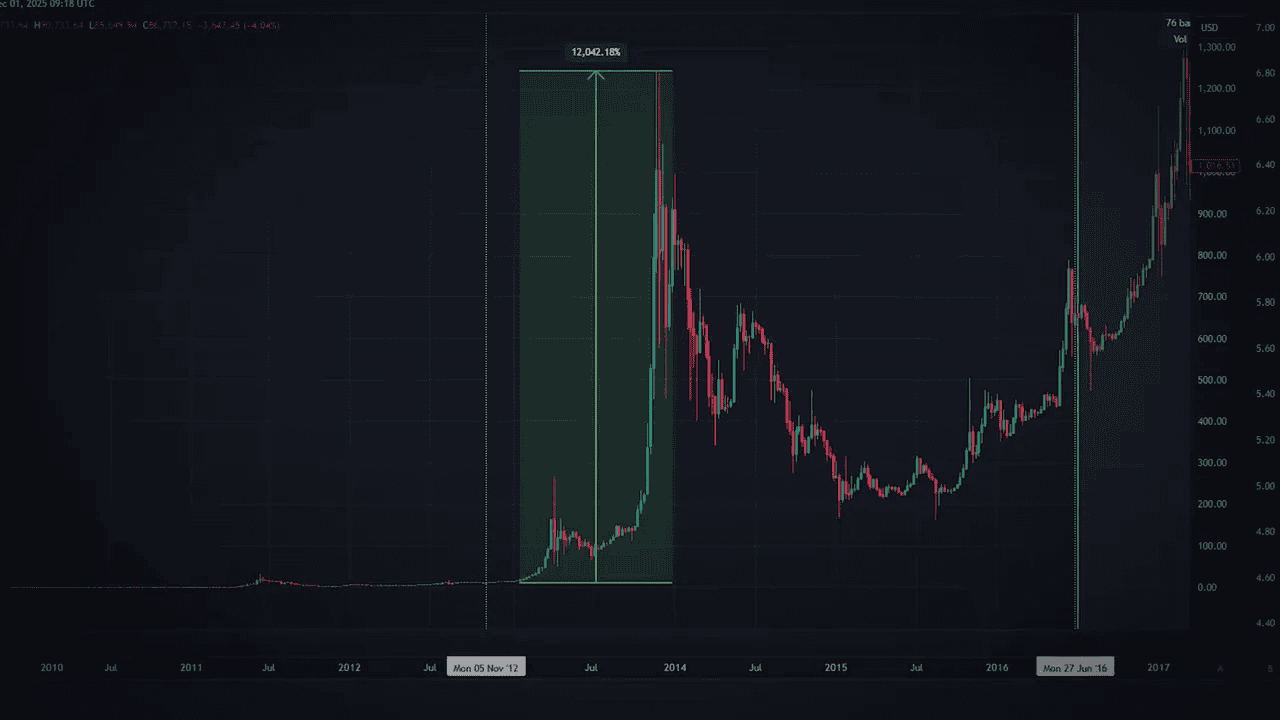
For the last decade, Bitcoin has behaved in an eerily consistent way: every 210,000 blocks or so the miner reward gets cut in half, supply pressure eases, and a speculative run follows. Those runs typically climaxed roughly 500+ days after the halving, and in the three full cycles we’ve seen that sequence repeated. Out of those three repetitions a narrative was born: the four-year cycle determines the market.
That story is seductive because it gives a schedule. Humans prefer calendars to probabilities. If you can declare “bull market runs from this halving to roughly this date,” you get the emotional comfort of predictability. That comfort, however, can be deadly when it replaces thinking about the actual forces that move markets.
Correlation is not causation: why three cycles aren’t proof
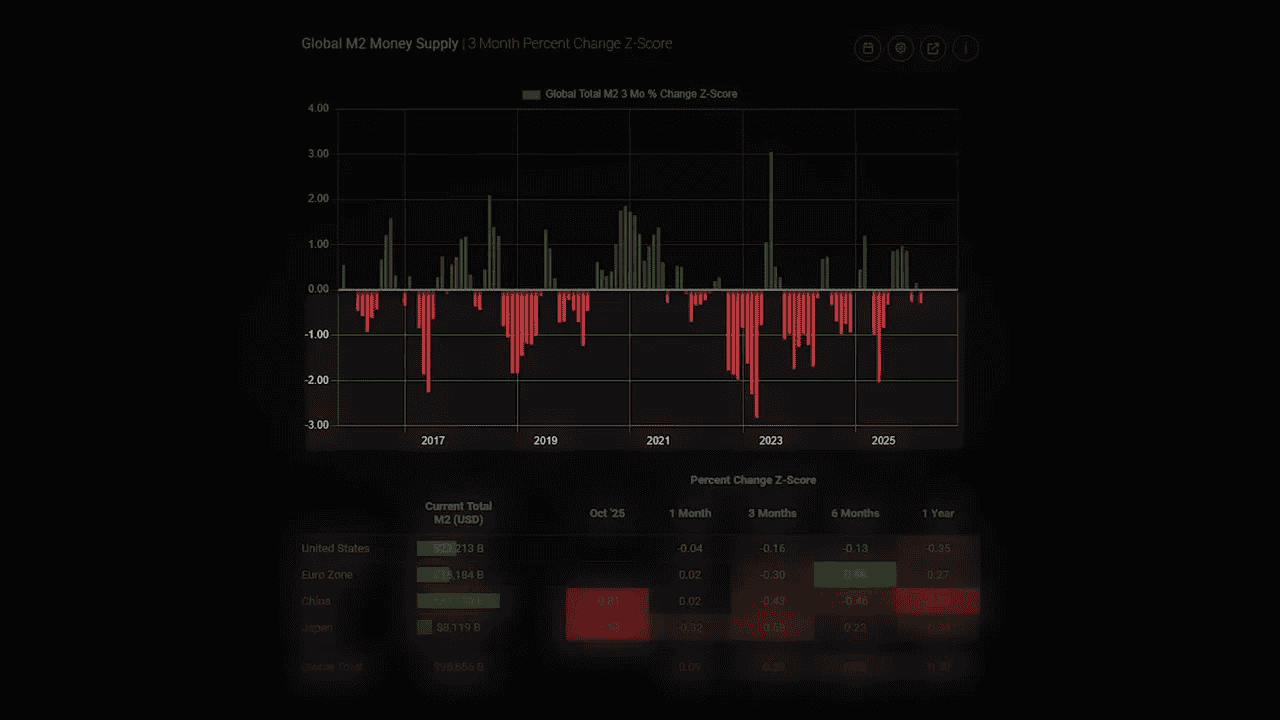
Relying on three data points to prove cause is a classic statistical trap. The halving coincided with huge rallies each time, yes. But coincidence does not equal causation. When you peel back the layers, another variable lines up with the big moves: global liquidity. The increases in monetary base and balance sheets from central banks around the world preceded or coincided with the most dramatic Bitcoin rallies.
Three case studies: money printing, liquidity, and the Bitcoin rallies
When you look at the events around each major cycle, a consistent story emerges: big liquidity injections from central banks led to broad asset inflation, and crypto rode that wave.
- 2013. After the first halving in November 2012, Bitcoin rose from roughly $10 to over $1,200 by late 2013. At the same time, the Federal Reserve was running a massive quantitative easing program, adding roughly $85 billion a month. That flood of liquidity coincided with the Bitcoin surge. When the Fed started to taper in late 2013 and ended QE in 2014, the broader market contracted and Bitcoin gave back most of its gains.
- 2016–2017. The 2016 halving lined up with global central banks expanding balance sheets again. The European Central Bank, the Bank of Japan, and Chinese credit expansion added a nearly $2 trillion impulse to global liquidity between 2016 and 2017. Bitcoin exploded from the low thousands to nearly $20,000 in that environment.
- 2020–2021. The sharpest example: when COVID hit in early 2020, central banks launched the biggest coordinated liquidity injections in modern history. The Fed’s balance sheet expanded by trillions, the ECB and BOJ did similar actions, and China supported its markets. Bitcoin climbed from about $4,000 to a peak near $69,000 as global liquidity surged.

Enter the Purchasing Managers Index (PMI): the macro dial that matters
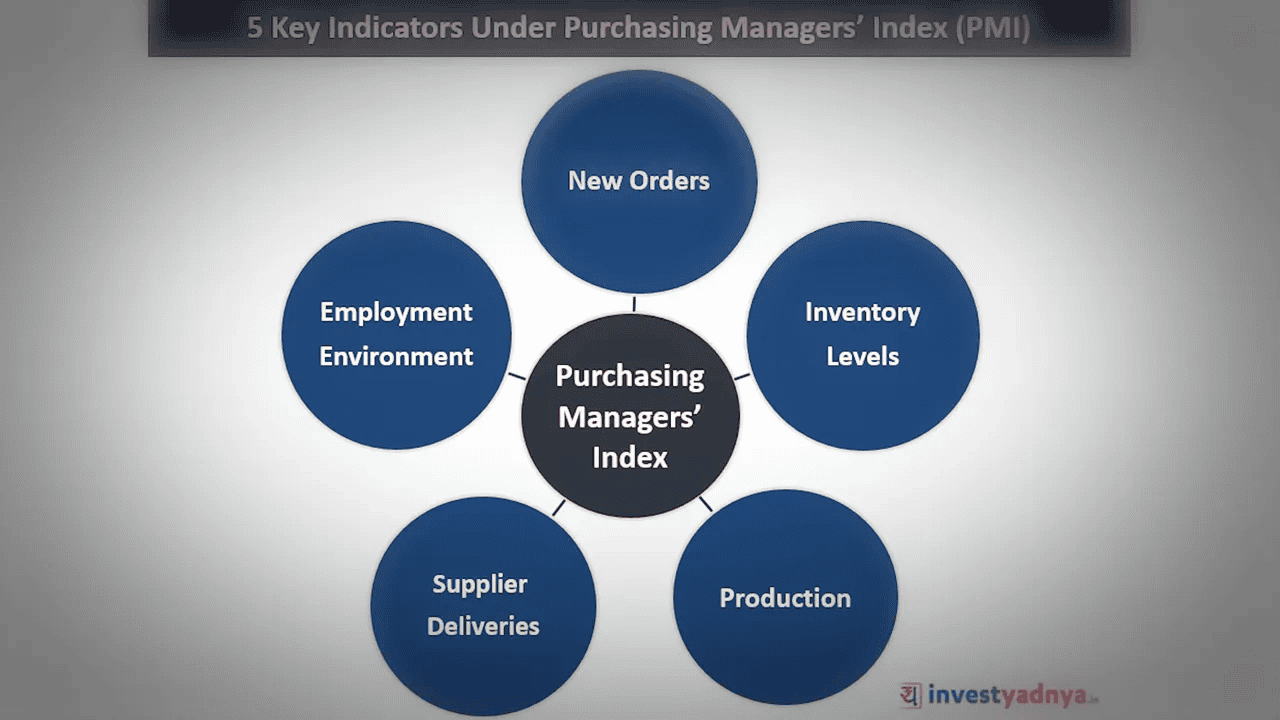
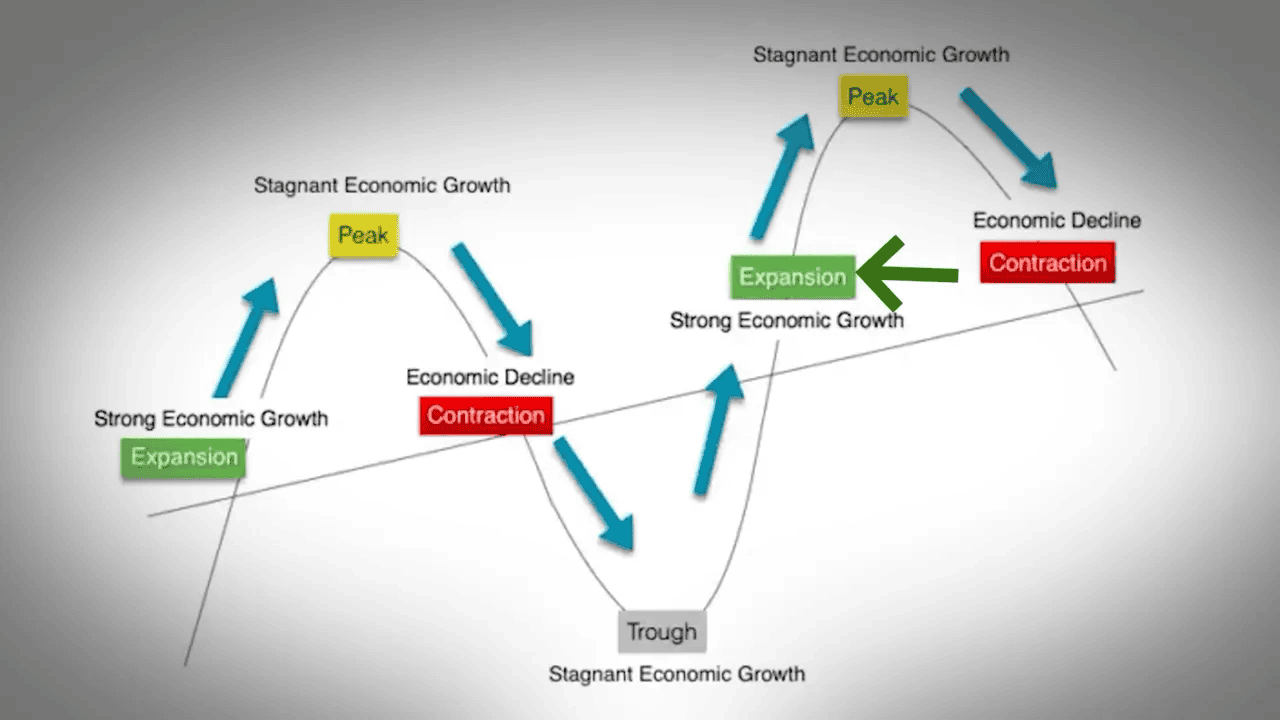
The PMI is a simple but powerful tool for gauging the business cycle. The Purchasing Managers Index measures whether manufacturing and services activity is expanding or contracting. A reading above 50 indicates expansion; below 50 indicates contraction. The Purchasing Managers Index responds to liquidity and credit conditions, and historically it has signaled the moments when risk-on flows return to markets.
The importance of the PMI is that it acts as a convenient, timely barometer of the broader macro environment. When liquidity flows into the system, companies hire, production ramps, orders rise, and the Purchasing Managers Index moves higher. When liquidity is withdrawn, the Purchasing Managers Index falls. Because crypto is a risk asset, it tends to follow the same flow of liquidity: first the Purchasing Managers Index improves, then equities and risk assets rally, and then crypto accelerates.
How Purchasing Managers Index thresholds map to crypto behavior
Examining prior cycles reveals a reproducible pattern tied to specific Purchasing Managers Index thresholds. These levels serve as a practical rule of thumb for when different phases of the crypto cycle historically unfolded.
- PMI below 50. The economy is contracting, liquidity is tight, and risk assets struggle. Historically, crypto bottoms tend to form during or near these periods.
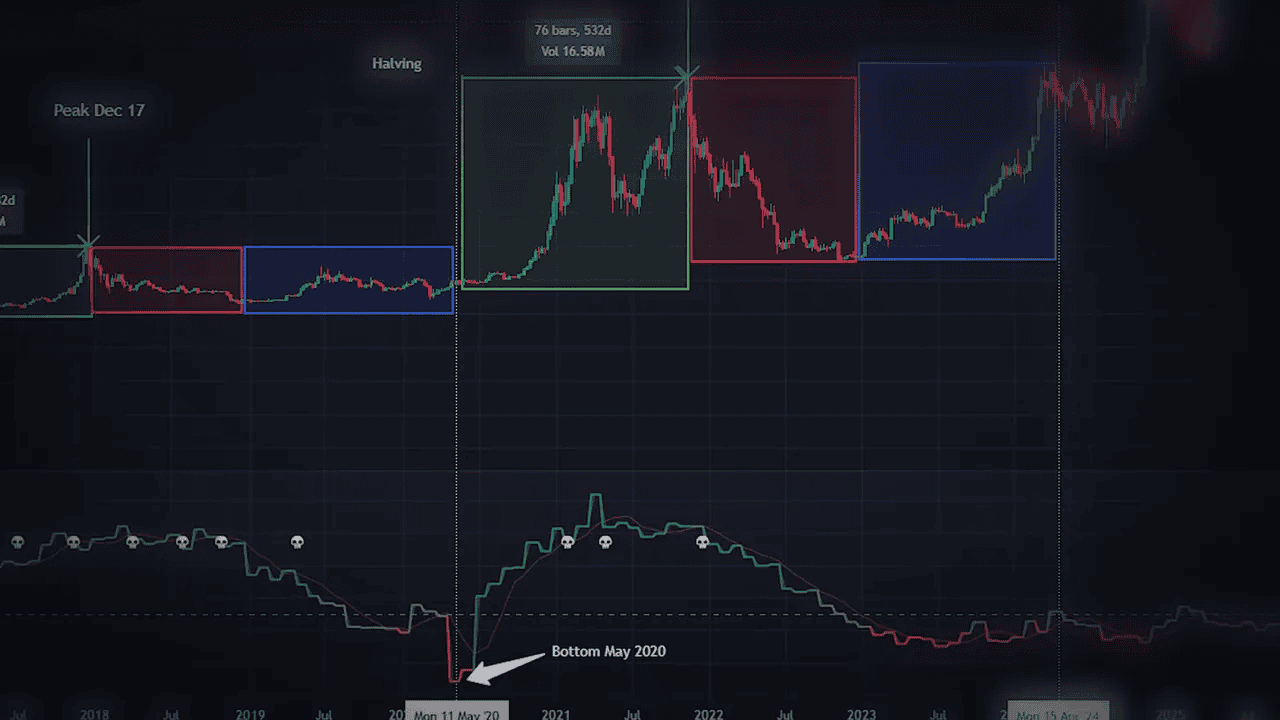
- PMI breaking above 50. This marks an exit from contraction; liquidity is returning. In prior cycles this was the environment when Bitcoin stopped falling and established a foundation for the next move.
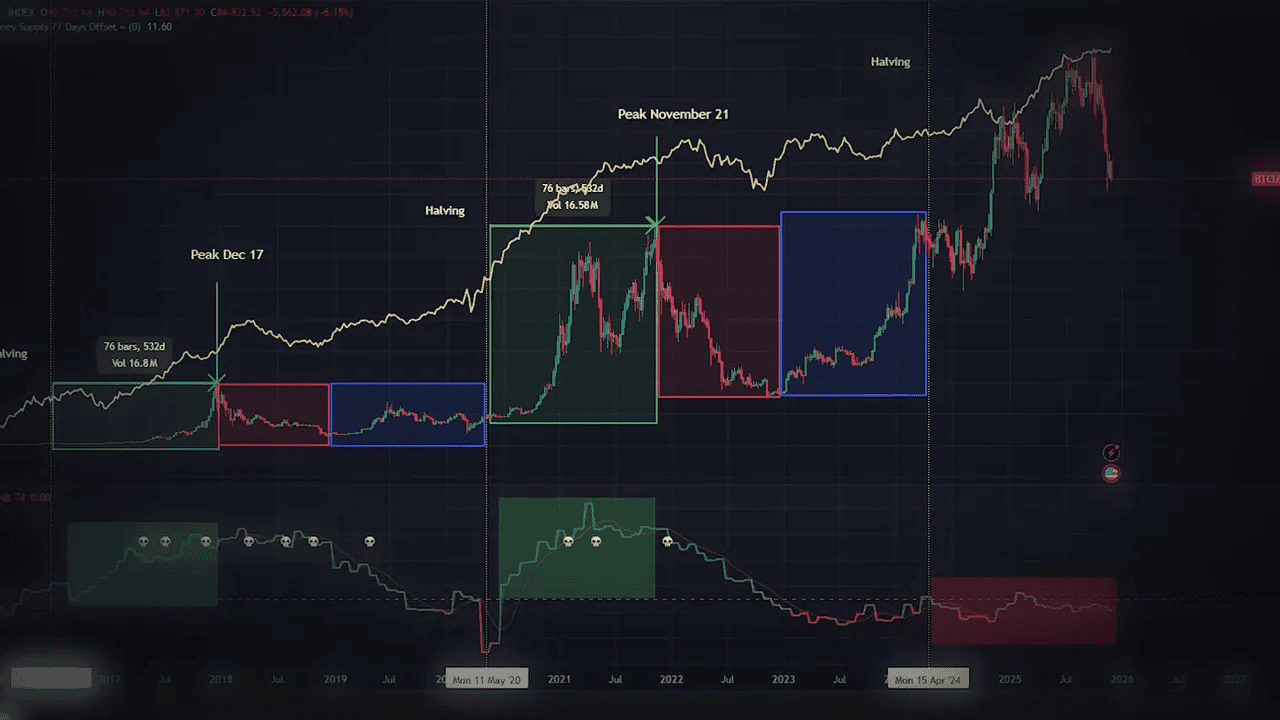
- PMI breaking above 55. This is the phase where liquidity accelerates and Bitcoin enters its real bull market legs. In 2017 and 2020–2021, Bitcoin’s strongest advance kicked off after PMI readings moved comfortably above this level.
- PMI pushing above 60. This often corresponds to broad-system expansion and overheating. When the Purchasing Managers Index reached this level, altcoins began to lead the speculative stretch—what many call an altcoin supercycle.
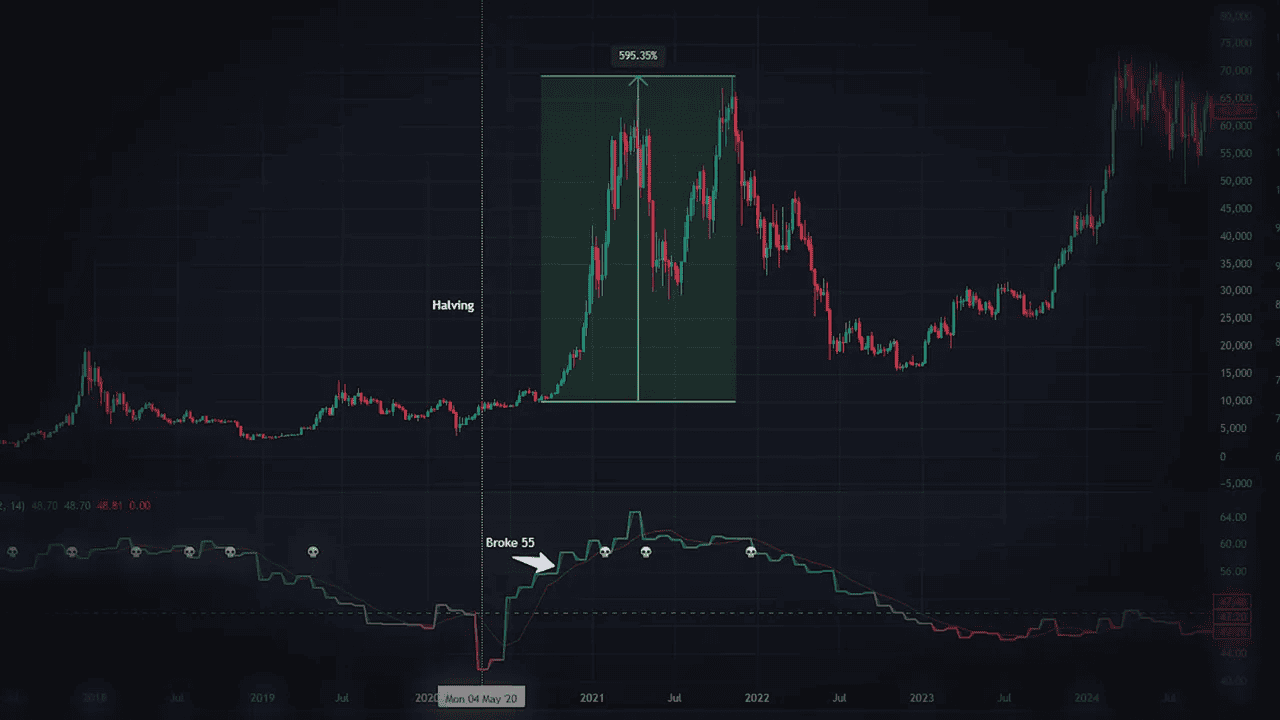
When you overlay the Purchasing Managers Index on top of Bitcoin price action, the correlation is striking: the Purchasing Managers Index bottoms and turns up before or at the same time Bitcoin begins its major rally, and the Purchasing Managers Index crossing key thresholds has historically marked the difference between a Bitcoin-only advance and a wider altcoin mania.
Why this cycle looks different: decoupling of the halving and liquidity clocks
The big difference this time is that the halving calendar and the liquidity cycle decoupled. For years those clocks ticked in sync: halving events happened to line up with large liquidity injections. This created the illusion that the halving itself was the dominant driver. This cycle, however, the liquidity dial moved differently—central banks tightened for the last couple of years. Quantitative tightening, rising interest rates, and contracting balance sheets kept money out of markets, which restrained a crypto rally despite the halving.
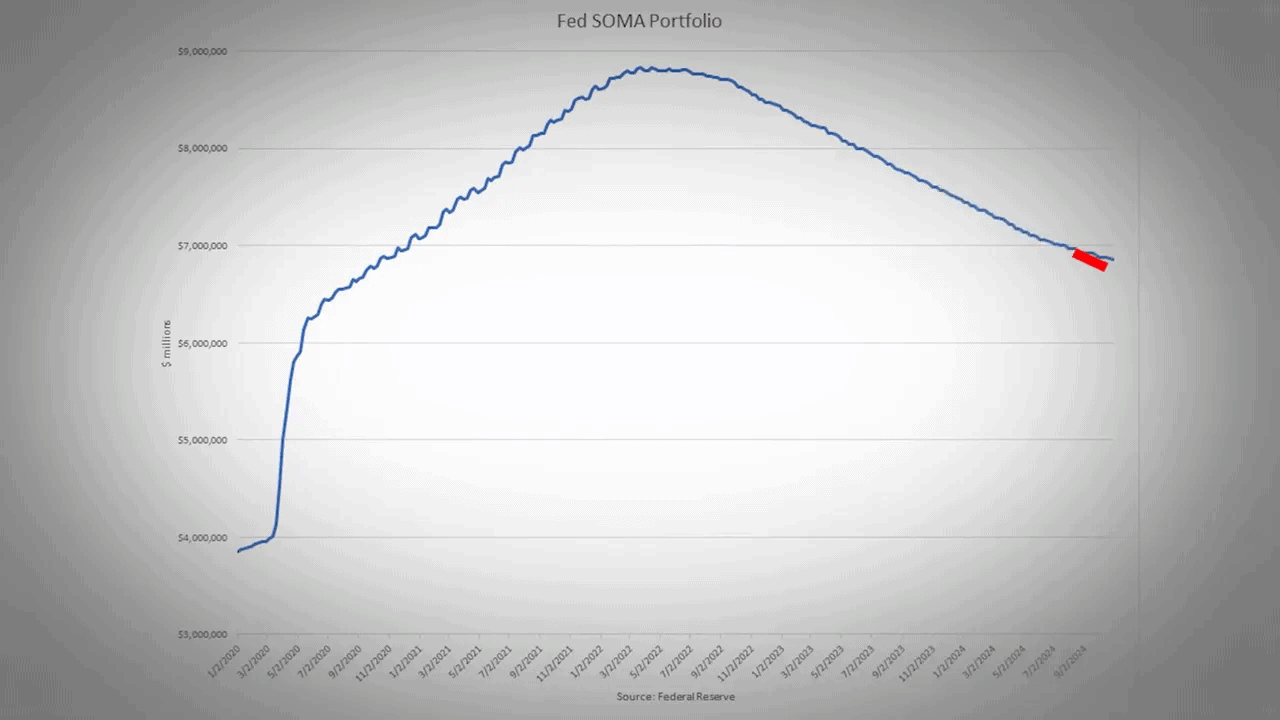
That decoupling is the reason the traditional four-year narrative has some people confused right now. Halving alone cannot create demand. Supply reduction helps, but without an expanding money supply and risk-on flows from institutions, the price won’t embark on a sustained, multi-month speculative leg.
Why institutions change everything
This current cycle is the first where institutional flows matter at scale in crypto. Exchange traded products and institutional-grade funds can pour in tens of billions of dollars. Those flows dwarf what retail markets historically produced. Institutions do not trade off the halving calendar. They trade off macro signals: balance sheets, rates, liquidity, and economic data. The Purchasing Managers Index is precisely the sort of data institutions monitor to make risk allocations.
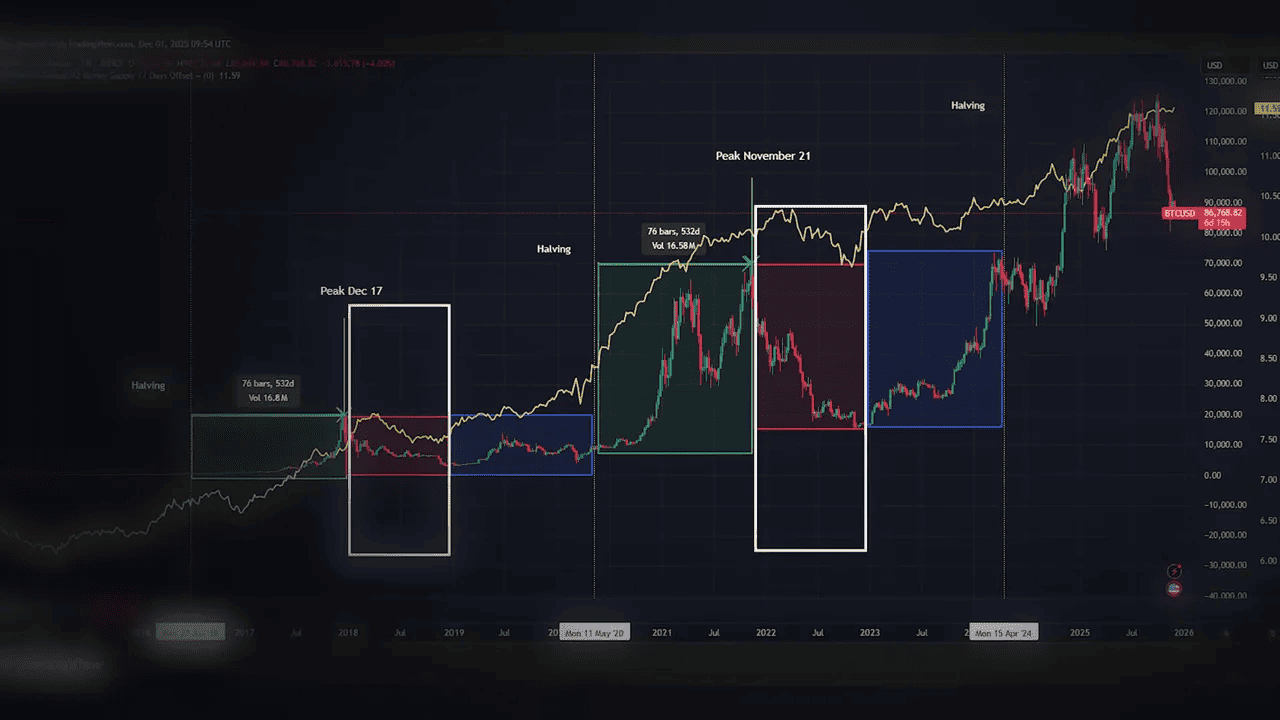
Institutional trading follows a risk-on/risk-off dynamic. When macro data and central bank signals point to expansion, algorithms and fund managers turn risk-on and allocate to equities and other risk assets. The mechanics are straightforward: if the Purchasing Managers Index is rising and the Fed is shifting toward easing, models favor increased exposure to risky assets—this includes crypto. If the Purchasing Managers Index is falling and central banks are tightening, models shift to risk-off and reduce exposure.
What to watch next: the macro signals that will make the difference
Here are the concrete macro things to watch and why they matter for crypto.
- Fed actions and balance sheet trajectory. The shift from quantitative tightening to quantitative easing is the trigger that moves liquidity from the sidelines into markets. When the Fed signals a pivot, expect liquidity to search for higher-yielding, riskier assets. The Purchasing Managers Index will typically respond to that liquidity move.
- Purchasing Managers Index trajectory. Track whether the Purchasing Managers Index breaks above 50, 55, and 60. Each threshold historically aligns with a distinct phase of crypto performance. The Purchasing Managers Index is a leading indicator of whether businesses are expanding and whether risk-on flows can persist.
- Institutional flows into crypto products. Large ETF inflows are a sign that institutions are stepping in. These flows can provide a steady bid that changes the market structure from retail-driven to institutionally supported.
- Macro surprises and credit impulses. Unexpected fiscal or credit expansion—on top of central bank easing—creates big supply shocks of money. When credit conditions loosen, asset prices often spike.
Concrete rules of thumb for acting on Purchasing Managers Index signals
Use these practical rules of thumb to translate macro signals into position sizing and timing decisions.
- When the Purchasing Managers Index is below 50, reduce exposure to speculative positions and focus on risk management. This is not the environment for aggressive leverage.
- Once the Purchasing Managers Index breaks above 50 and holds, begin rebuilding a strategic allocation. Bitcoin tends to put in a bottom during this stage.
- When the Purchasing Managers Index clears 55 and shows momentum, consider adding exposure and tilting into risk assets. This historically marks the beginning of the real bull market legs for Bitcoin.
- If the Purchasing Managers Index climbs above 60 and stays there, that is when speculative altcoins often outperform. Consider taking some profits on large positions while selectively allocating to high-upside altcoin opportunities if risk tolerance allows.
Why selling now because of a calendar is a risky mistake
Selling Bitcoin or crypto simply because the halving clock says “end of cycle” risks becoming the dumb money selling into institutional accumulation. Institutions time portfolios with macro models and capital-cycle thinking, not halving anniversaries. If macro liquidity is about to expand while you sell on calendar fear, you will likely sell low and buy back high.
The only cycle that mattered in prior rallies was the liquidity cycle. The Purchasing Managers Index is the clearest, most actionable real-time read on that cycle.
How to position your portfolio without getting reckless
Positioning for a liquidity-driven bull market means balancing conviction with risk control.
- Base allocation: Maintain a core Bitcoin allocation as a long-term anchor. Halving supply dynamics continue to matter for long-term scarcity, but they are not the immediate trigger for rallies.
- Dynamic allocation: Use Purchasing Managers Index thresholds and institutional flow data to scale up or scale down risk. As the Purchasing Managers Index moves from below 50 to above 55, systematically increase exposure.
- Profit taking: As the Purchasing Managers Index moves into high-expansion territory, trim winners and rebalance toward less speculative assets.
- Liquidity reserves: Keep dry powder to take advantage of pullbacks that occur even inside bull markets. Institutional flows can create sharp, fast moves and occasional corrections.
Timeline and conditional scenarios to monitor
The next leg of this cycle depends on conditional triggers. Think of these as the decision tree for markets:
- Best-case sequence: Fed signals an end to quantitative tightening, a pivot to easing begins, the Purchasing Managers Index breaks and sustains above 55, institutional ETF flows accelerate, Bitcoin leads and then altcoins follow as PMI approaches or exceeds 60.
- Stalled sequence: Fed pauses and only marginally eases, the Purchasing Managers Index inches above 50 but fails to gain momentum, institutional flows trickle in but do not saturate markets, leading to muted rallies and choppy price action.
- Reversal scenario: Unexpected macro shock or a tightening surprise pushes the Purchasing Managers Index back below 50. Institutional models flip to risk-off and liquidity withdraws, causing sharp corrections across risk assets.
Common objections and why they miss the point
“But history shows halving equals bubble.” That argument overlooks that previous halving events coincided with large liquidity expansions. The halving created a scarcity narrative, yes, but the heavy lifting came from the massive monetary injections that made speculative risk-taking attractive.
“Macro data reacts slowly.” The Purchasing Managers Index is released monthly and tends to move early in the business cycle. It captures orders, production, and hiring changes that reflect liquidity shifts. While it is not a minute-by-minute indicator, it is fast enough to lead sustained risk-on transitions.
Checklist: what to watch this month
- Central bank meeting statements and balance sheet guidance.
- Monthly Purchasing Managers Index readings and trend changes.
- ETF inflows and institutional flow reports into crypto products.
- Credit impulse signals from major economies.
- Macro headlines that can cause a temporary risk-off reaction.
Final takeaway
The four-year halving story gave a neat narrative for a chaotic market. But neat narratives can disguise fragile logic. What actually drives big, sustained rallies are liquidity cycles—expansions and contractions of money that flow into risk assets. The Purchasing Managers Index is the most reliable and accessible reading of that liquidity-driven business cycle. Use it as your dial. When the Purchasing Managers Index moves from contraction to expansion and then crosses higher thresholds, that is when Bitcoin and the broader crypto market historically moved from consolidation to explosive growth.
Do not let a calendar dictate your decisions. Watch the macro, watch the Purchasing Managers Index, watch institutional flows, and let those signals guide how you size and time positions.
Frequently Asked Questions
What is the Purchasing Managers Index and why is it important for crypto?
The Purchasing Managers Index is a composite indicator that measures the economic health of the manufacturing and services sectors. It reflects business activity, new orders, employment, and supplier deliveries. For crypto, the Purchasing Managers Index matters because it provides an early read on whether liquidity and risk appetite are returning to the economy; when the Purchasing Managers Index rises, risk assets like crypto historically benefit.
Does the halving still matter if the Purchasing Managers Index is the main driver?
The halving still matters as a structural scarcity event that reduces new supply. But scarcity alone rarely creates demand. The Purchasing Managers Index signals whether the macro environment will produce the demand necessary to fuel a major price run. In short, halving is structural and long-term; the Purchasing Managers Index times cyclical opportunity.
Which Purchasing Managers Index thresholds should traders watch?
Traders commonly watch three levels of the Purchasing Managers Index: 50 (contraction versus expansion), 55 (accelerating expansion where Bitcoin tends to begin major runs), and 60 (full expansion often associated with broad speculative behavior and strong altcoin performance).
How quickly does the Purchasing Managers Index respond to central bank policy?
The Purchasing Managers Index typically responds within a few months to changes in liquidity and credit conditions. Monetary policy affects lending, rates, and confidence, and businesses react through hiring and orders. While not instantaneous, the Purchasing Managers Index is fast enough to serve as a leading indicator for prolonged risk-on periods.
Should retail investors follow institutional flows or the Purchasing Managers Index?
Retail investors should use the Purchasing Managers Index to understand the broad environment and watch institutional flow data to gauge market structure changes. The Purchasing Managers Index tells you whether risk-taking is likely to be rewarded; institutional flows show whether big players are actually allocating capital to crypto. Both are useful.
Is a Purchasing Managers Index-led rally guaranteed to result in an altcoin season?
Not guaranteed, but historically when the Purchasing Managers Index moves into high expansion (approaching or exceeding 60), speculative capital broadens beyond Bitcoin. That is when altcoin cycles have historically gained the most traction. The Purchasing Managers Index is a necessary but not sufficient condition; liquidity and institutional risk appetite must also be present.
What are the best practical steps to take now?
Monitor central bank guidance and the Purchasing Managers Index. Maintain a core allocation to Bitcoin, build dynamic exposure as the Purchasing Managers Index moves above 50 and 55, and manage risk with stop-losses and position sizing. Keep liquidity available to buy into pullbacks during the early phases of an institutional-led rally.
Can the Purchasing Managers Index be wrong about market turns?
Like any indicator, the Purchasing Managers Index is imperfect. It can give false signals or lag unusual events. Always combine it with other data points like central bank balance sheet movements, credit impulses, and institutional flow reports to form a robust view.
Closing thoughts
Markets are driven by capital flows, not calendars. The next decisive crypto leg will be determined by liquidity and the macro cycle, and the Purchasing Managers Index is one of the clearest indicators that shift. Embrace a macro-informed approach: treat the halving as a long-term structural advantage but let the Purchasing Managers Index and institutional flow signals govern timing and scale. That will keep you on the right side of the next major move.
Appendix: data sources and tracking checklist
To put the article’s framework into practice, here are practical, non-exhaustive pointers for where to check the macro and market signals mentioned above. These are described as search targets rather than direct links so you can pick the specific provider you prefer.
- Purchasing Managers Index — look up national and global PMIs (e.g., ISM PMI, S&P Global PMI) for both manufacturing and services to monitor the 50/55/60 thresholds discussed above.
- Federal Reserve balance sheet — track weekly H.4.1 updates and Fed communications for changes in quantitative tightening/easing posture.
- Institutional flow reports — follow ETF inflows, custodian reports, and asset manager flow updates for signs of meaningful institutional allocation into crypto.
- Credit impulse and macro surprises — monitor credit growth indicators and major fiscal/credit announcements that can create abrupt liquidity shifts.
Quick checklist you can use each month:
- Check monthly PMI releases and note whether readings cross 50, 55, or 60.
- Scan central bank meeting statements and balance sheet commentary for pivot clues.
- Review institutional flow summaries for large net inflows or outflows into crypto products.
- Keep a small allocation of dry powder to act on institutional-led moves or sharp pullbacks.
Use these data points together rather than in isolation. The Purchasing Managers Index is a central dial, but combining it with balance sheet reads and flow evidence produces a more robust, actionable view for timing and sizing crypto exposure.
This blog post is inspired by the video The 4-Year Crypto Cycle Was A HUGE Lie!. All credit for the video content goes to the original creator. Be sure to check out their channel for more amazing content!