









As an Amazon Associate, Early Bird Wins earns from qualifying purchases. We may also earn from other affiliate links on this page at no extra cost to you.
Disclosure: We also earn a commission from some other partner links, such as Ledger, at no extra cost to you.
Security in the cryptocurrency space isn’t just a buzzword, it’s the difference between holding your investments safely and waking up to an empty wallet. If you’ve been paying attention to the space in recent years, you’ve probably noticed that hardware wallets have evolved from niche security devices into essential tools for anyone serious about protecting their digital assets. The best hardware wallet 2026 isn’t just about storing your crypto, it’s about having peace of mind in a world where threats are constantly evolving and the stakes have never been higher. Whether you’re holding Bitcoin, Ethereum, Solana, or a diversified portfolio of altcoins, the security of your private keys determines whether you’re a genuine owner of your assets or just a custodian waiting to be relieved of them.
Here’s the thing that many newcomers to cryptocurrency don’t realize until it’s too late. Exchanges get hacked. Websites get compromised. Your phone or computer can be infiltrated by malware designed specifically to steal private keys. When any of those things happen to someone using a software wallet or keeping their crypto on an exchange, they typically lose everything. But someone using a hardware wallet? Their assets remain safe because the private keys never leave the device, even when connected to a compromised computer. That’s not an exaggeration or marketing speak, it’s fundamental cryptography that the best hardware wallets in 2026 implement correctly. The private key is generated in and stored within a secure chip that is physically designed to resist tampering, and all transactions must be approved directly on the device itself, meaning that even a completely compromised computer cannot authorize a transfer of your funds.
Why the Best Hardware Wallet 2026 Matters More Than Ever
The landscape of threats facing cryptocurrency holders has changed dramatically over the past few years. In the early days, most attacks were relatively unsophisticated, phishing emails and fake websites catching careless users. But today we’re dealing with highly organized criminal operations that employ advanced persistent threats, social engineering attacks, and even physical theft targeting prominent cryptocurrency holders. The best hardware wallet 2026 needs to address this elevated threat environment while remaining accessible to everyday users who shouldn’t need a computer science degree to secure their savings. We’ve seen nation-state level actors get involved in cryptocurrency theft, and if you’re holding significant value, the threat model has to be taken seriously.
What makes a hardware wallet worthy of being called the best in 2026 comes down to a few critical factors. Security architecture matters enormously, look for devices that have undergone rigorous security audits and have established track records without successful attack vectors. User experience is equally important because a secure device that people find too complicated simply won’t get used properly. And finally, the supported cryptocurrency ecosystem needs to be broad enough to accommodate investors who diversify across multiple chains rather than putting everything on a single network. The best hardware wallets support hundreds or even thousands of different cryptocurrencies and tokens, allowing you to manage your entire portfolio from a single device.
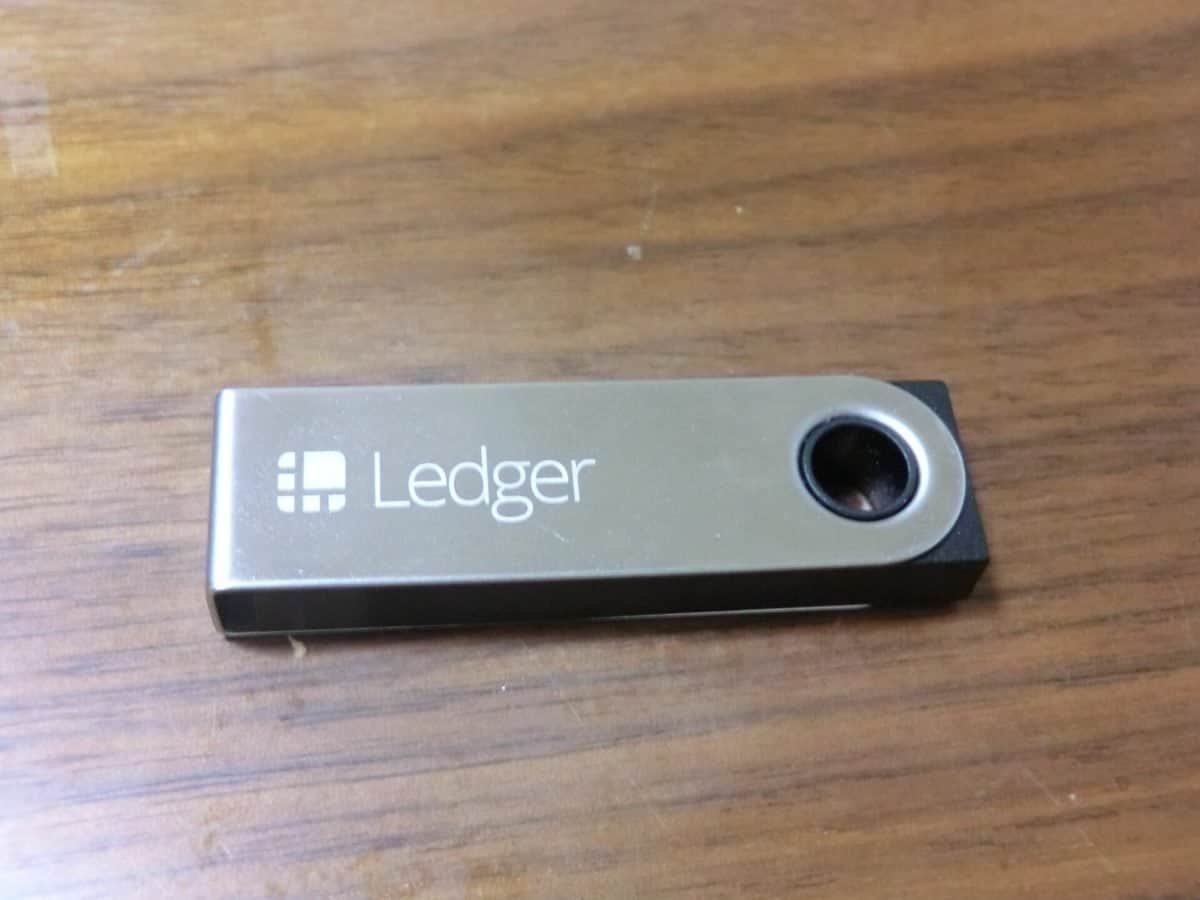
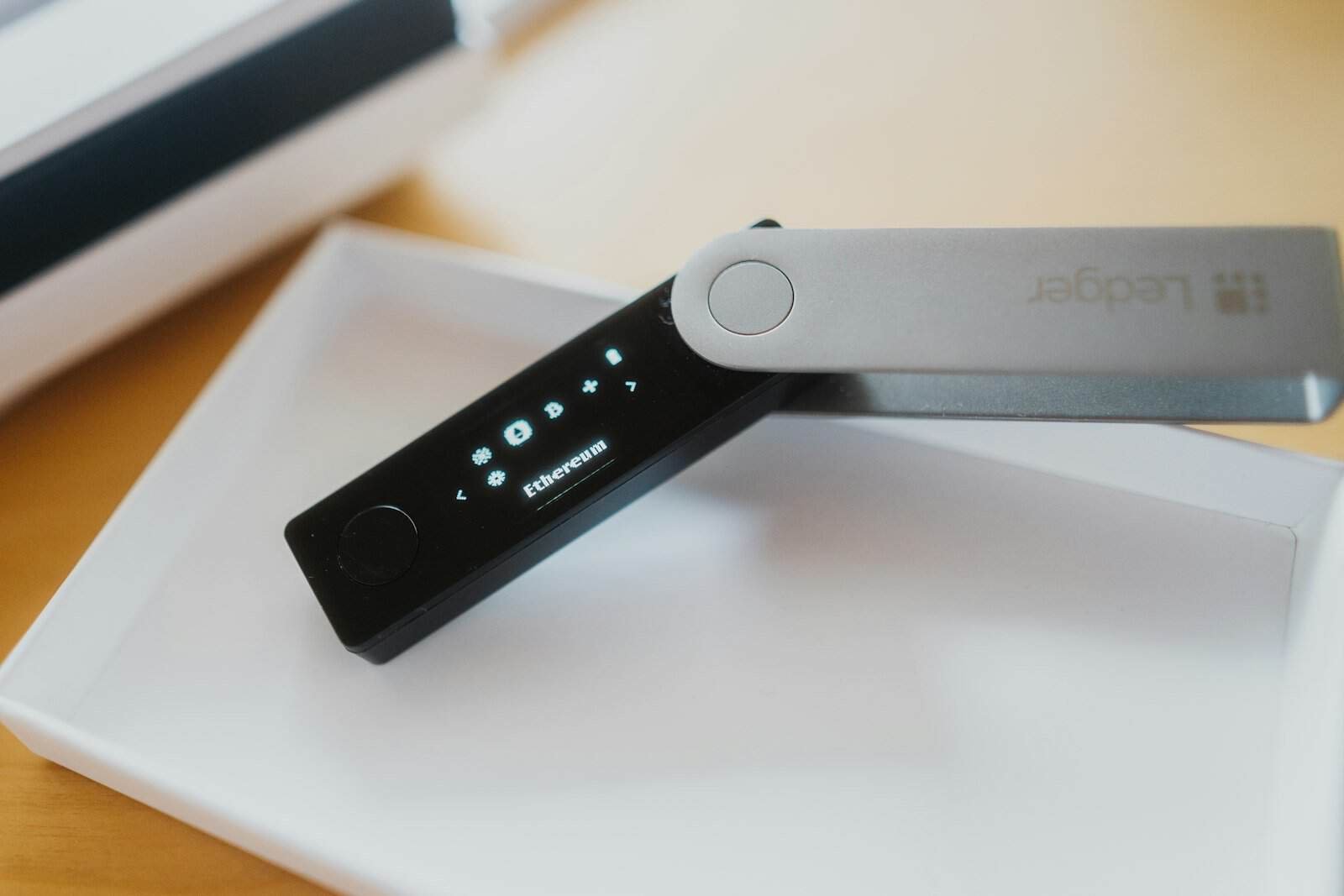
The Ledger Nano X exemplifies how far hardware wallets have come in addressing these requirements. It combines bank-grade secure element technology with a seamless Bluetooth connection that lets you manage your portfolio from your phone while your keys remain protected in the hardware device. Supporting over 5,500 cryptocurrencies and running on a custom secure operating system that has been audited by multiple independent security firms, the Ledger Nano X has earned its reputation as one of the most trusted names in the industry. At around $149, it represents a reasonable investment for anyone holding meaningful amounts of cryptocurrency. The peace of mind you get from knowing your life savings is protected by the same kind of secure chip technology used in bank cards and passports is genuinely priceless.
Open-Source Alternatives Worth Considering

- More than just crypto: confirm your device is authentic with Genuine Check, manage all your logins with Ledger Security …
- Industry-defining security: battle-tested by the Donjon’s white hat hackers, protected by the Secure Element, and powere…
- Connect effortlessly with Ledger Wallet: pair your secure Ledger signer with the all in one Ledger Wallet crypto app to …
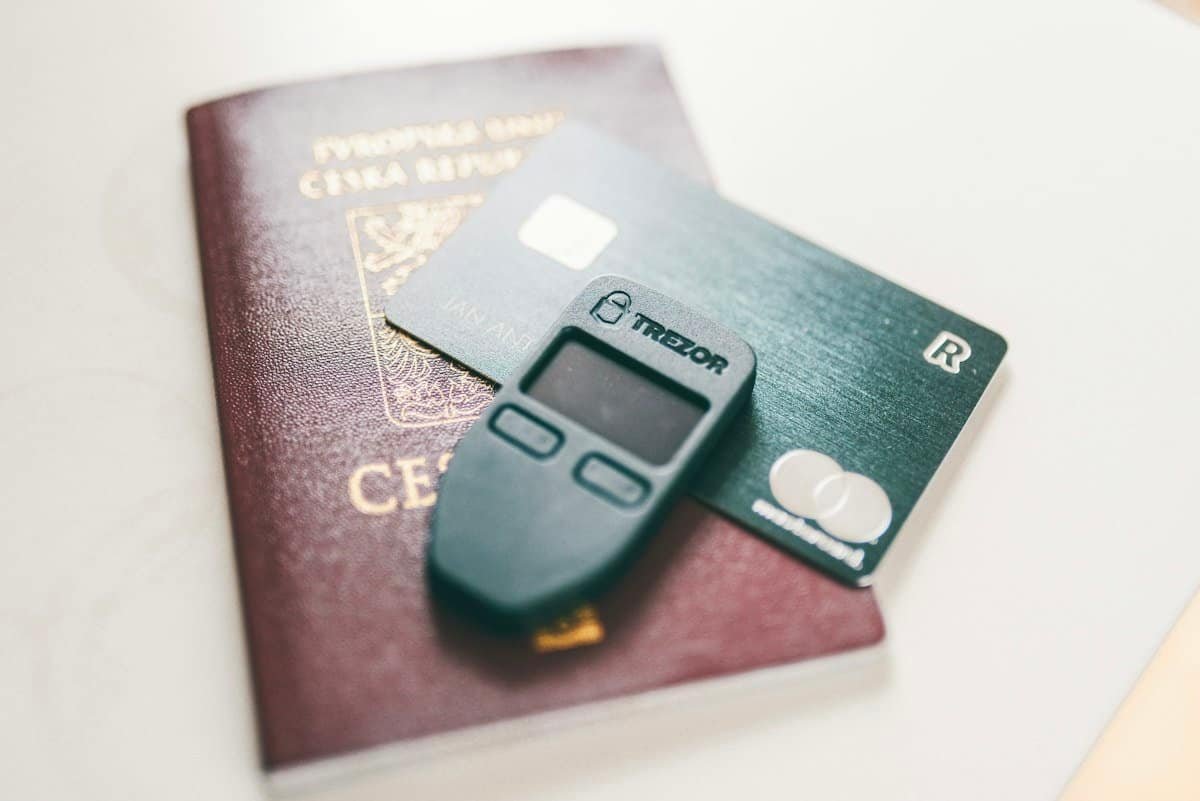
For those who prioritize transparency and community oversight in their security tools, the Trezor Model T stands out as the best hardware wallet 2026 choice in the open-source category. Unlike some competitors that rely on proprietary security architectures, Trezor has committed to fully open-source hardware and software, meaning the entire system can be audited by anyone. This philosophy appeals to security-conscious users who believe that true security comes from transparency rather than obfuscation. If a security flaw exists in closed-source systems, it might never be discovered until malicious actors find it. With open-source code, the entire global security community can examine the implementation and identify issues before they become problems.
The Trezor Model T doesn’t rely on a closed secure element but instead uses a different architectural approach that has proven equally effective against real-world attacks. Its touchscreen interface makes transaction verification straightforward, and its support for Shamir backups provides an additional layer of redundancy for users who want to protect against physical loss or damage to their device. At $219, it sits at a similar price point to the Ledger Nano X, and choosing between them often comes down to philosophical preferences around security architecture rather than clear functional advantages. Some users prefer the additional transparency of fully open-source systems, while others value the bank-grade secure element approach that Ledger employs.
Both of these devices represent meaningful investments in your cryptocurrency security strategy, and for serious holders, having a hardware wallet is non-negotiable. The question isn’t really whether to get one, it’s which one aligns better with your specific needs and security philosophy. The good news is that either choice will dramatically improve your security posture compared to software wallets or exchange storage. Cyberattacks on individual cryptocurrency holders are becoming increasingly sophisticated, and relying on anything less than dedicated hardware security is rolling the dice with your savings.
Integrating Hardware Security Into Your Investment Strategy
Owning the best hardware wallet 2026 offers is only part of the equation. How you integrate it into your broader investment strategy determines how effective it actually is at protecting your assets. The most critical principle is that your hardware wallet should be used for long-term storage rather than active trading. For trading activities, using a reputable exchange with strong security practices makes more sense because hardware wallets require physical interaction for each transaction, making them impractical for active traders who need to move quickly. Think of your hardware wallet as a savings account and your exchange account as your checking account, each serving a different purpose in your overall financial management.
When setting up your hardware wallet, take the time to understand the backup and recovery process properly. Write down your recovery seed on proper paper or metal backup plates rather than storing it digitally. Keep copies in geographically separate secure locations. Test the recovery process before depositing significant funds. These steps feel tedious but they’re the difference between protected assets and potentially losing everything to a hardware failure or accident. Many people skip these steps because they seem like overkill, but anyone who has lost access to a hardware wallet without a proper backup understands the true cost of that shortcut.
Consider also the insurance implications of your hardware wallet choice. Some services and platforms offer greater integration and even insurance coverage for assets stored on specific hardware wallets. While the best hardware wallet 2026 will protect against direct theft or compromise, having these additional safeguards can provide further peace of mind for larger portfolios. As the value of your holdings grows, the relative cost of insurance and additional security measures decreases as a percentage of your total assets, making comprehensive protection increasingly sensible.
The cryptocurrency space in 2026 continues to mature, and with that maturation comes increased sophistication in both the opportunities available to investors and the threats they face. Securing your investments with a quality hardware wallet is one of the most important decisions you’ll make as a digital asset holder. Whether you choose the Ledger Nano X, the Trezor Model T, or another reputable option, the fundamental principle remains the same: your private keys should only exist in secure hardware that you control. No exchange, no website, no piece of software can provide the same level of security as a dedicated hardware device that was designed from the ground up to protect your most sensitive financial information.
If this overview of the best hardware wallet 2026 has been helpful, share it with fellow investors who might benefit from understanding these security fundamentals. The cryptocurrency space rewards those who take security seriously, and making informed decisions about how to protect your assets is one of the most important investment skills you can develop. Stay safe out there, and don’t let preventable security failures undermine your investment goals. The best time to set up proper security was yesterday, and the second best time is right now before you accumulate more assets that need protecting.

- TREZOR SAFE 7 + KEEP METAL BUNDLE: Next-generation hardware wallet featuring the world’s first transparent and auditable…
- REVOLUTIONARY DUAL-CHIP SECURITY: Combines the open-source TROPIC01 Secure Element with an additional NDA-free EAL6+ Sec…
- QUANTUM-READY CRYPTO PROTECTION: The first hardware wallet designed with post-quantum cryptography, helping secure firmw…
This article contains affiliate links. We may earn a commission at no extra cost to you.

One thought on “best hardware wallet 2026: What You Need to Know in 2026”
Comments are closed.