









Interoperability is a critical aspect of blockchain technology that allows different systems to work together seamlessly. In this blog, we will delve into the evolution of blockchain, the challenges posed by competing ledgers, and the innovative solutions being developed to foster a more connected future in Web3.
Table of Contents
- The Dawn of Blockchain
- The Rise of Altcoins
- The Explosion of Blockchains
- Personal Experience: A Wedding in Argentina
- Challenges in Cross-Border Payments
- Defining Web3
- Current Interoperability Solutions: Bridges
- The Complexities of Bridges
- The Concept of Transfer vs. Swap
- Introducing Universal Blockchain Assets
- Understanding the Packet System
- Demonstrating Cross-Chain Transfers
- Academic Rigor in Blockchain Development
- The Future of Interoperability
- Real-World Applications of Interoperability
- Addressing User Experience and Human Error
- Conclusion and Future Directions
- FAQ
The Dawn of Blockchain
The inception of blockchain technology marked a pivotal moment in the digital landscape. In 2008, Bitcoin emerged, introducing a decentralized digital currency that transformed our understanding of money and transactions. This innovation was not merely an advancement; it was a revolutionary step forward, creating a secure, transparent, and immutable ledger for all transactions.
Bitcoin’s launch was the beginning of a new era. It provided a framework that allowed individuals to conduct transactions without the need for intermediaries. This was a zero-to-one technology, meaning it created something entirely new that had not existed before.

The Rise of Altcoins
Following Bitcoin’s success, the next wave of innovation came in the form of altcoins. Within a few years, developers recognized the potential to create alternative cryptocurrencies, each with unique features and capabilities. Litecoin, for instance, introduced a different proof-of-work mechanism, while Ripple aimed to facilitate banking transactions through a managed consortium.
This proliferation of altcoins illustrated the versatility of blockchain technology. Each new coin sought to address specific problems or improve upon existing solutions. Ethereum, launched in 2015, took a significant leap forward by introducing smart contracts, which enabled programmable transactions and decentralized applications.

The Explosion of Blockchains
Fast forward to 2020, and the blockchain landscape became crowded with over a thousand different blockchains. This explosion raised critical questions about interoperability and the utility of so many competing systems. With each blockchain operating in isolation, the need for seamless interaction between them became increasingly apparent.
As the number of blockchains grew, so did the complexities associated with transfers and communication between them. Developers and users alike began to seek solutions that would allow for greater interoperability, enabling different blockchains to work together harmoniously.

Personal Experience: A Wedding in Argentina
My personal journey through the blockchain world became particularly poignant during my wedding in Argentina. The economic climate in the country posed significant challenges, with hyperinflation making traditional payment methods unreliable. As a result, many vendors accepted cryptocurrencies, particularly USDC, a stablecoin pegged to the US dollar.
However, navigating these transactions proved to be a challenge. A simple mistake in selecting the correct stablecoin led to a payment disaster, showcasing the real-world implications of blockchain’s current limitations. This experience highlighted the urgent need for improved user interfaces and interoperability to prevent such issues in the future.
Challenges in Cross-Border Payments
The challenges I faced during my wedding payments reflect broader issues in cross-border transactions. Despite the promise of blockchain to simplify and secure these payments, practical hurdles remain. Currency controls and varying regulations across countries complicate the landscape, making it difficult for individuals and businesses to send and receive funds internationally.
Moreover, the existence of numerous stablecoins—like USDC and USD BC—adds to the confusion. Users often find themselves navigating a maze of options, each with different features and compatibility issues. This fragmentation not only frustrates users but also undermines the core promise of blockchain technology: seamless, direct value transfer.

Defining Web3
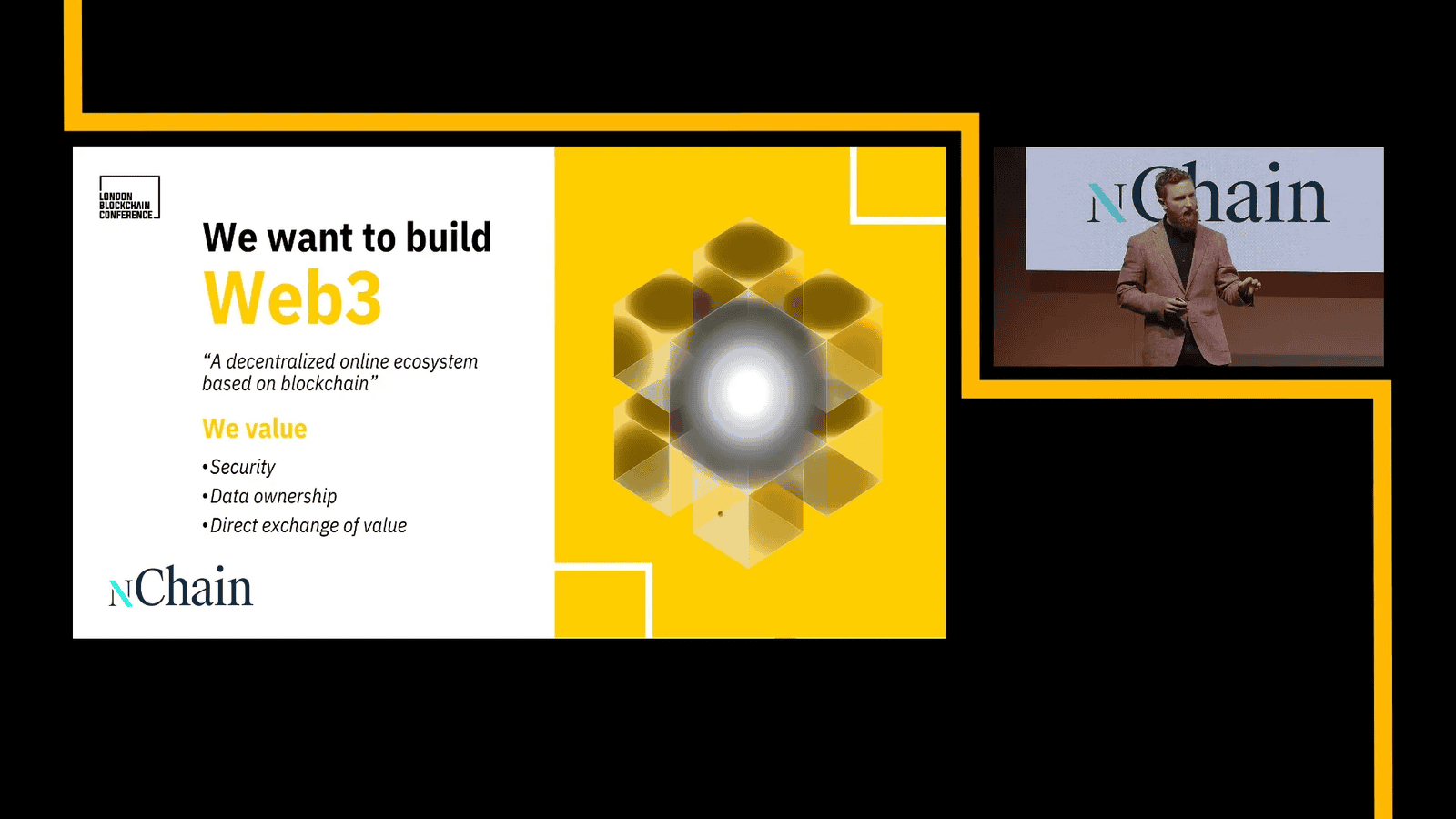
As we explore the future of digital interactions, the concept of Web3 emerges as a central theme. Web3 represents a decentralized online ecosystem built on blockchain technology. It embodies a shift from centralized control to user empowerment, promoting data ownership and direct value exchange.
While definitions of Web3 may vary, the underlying values remain consistent. Security, transparency, and user agency are at the forefront of this new paradigm. As we move towards a more interconnected digital world, the principles of interoperability will be crucial in facilitating the transition to Web3.
Current Interoperability Solutions: Bridges
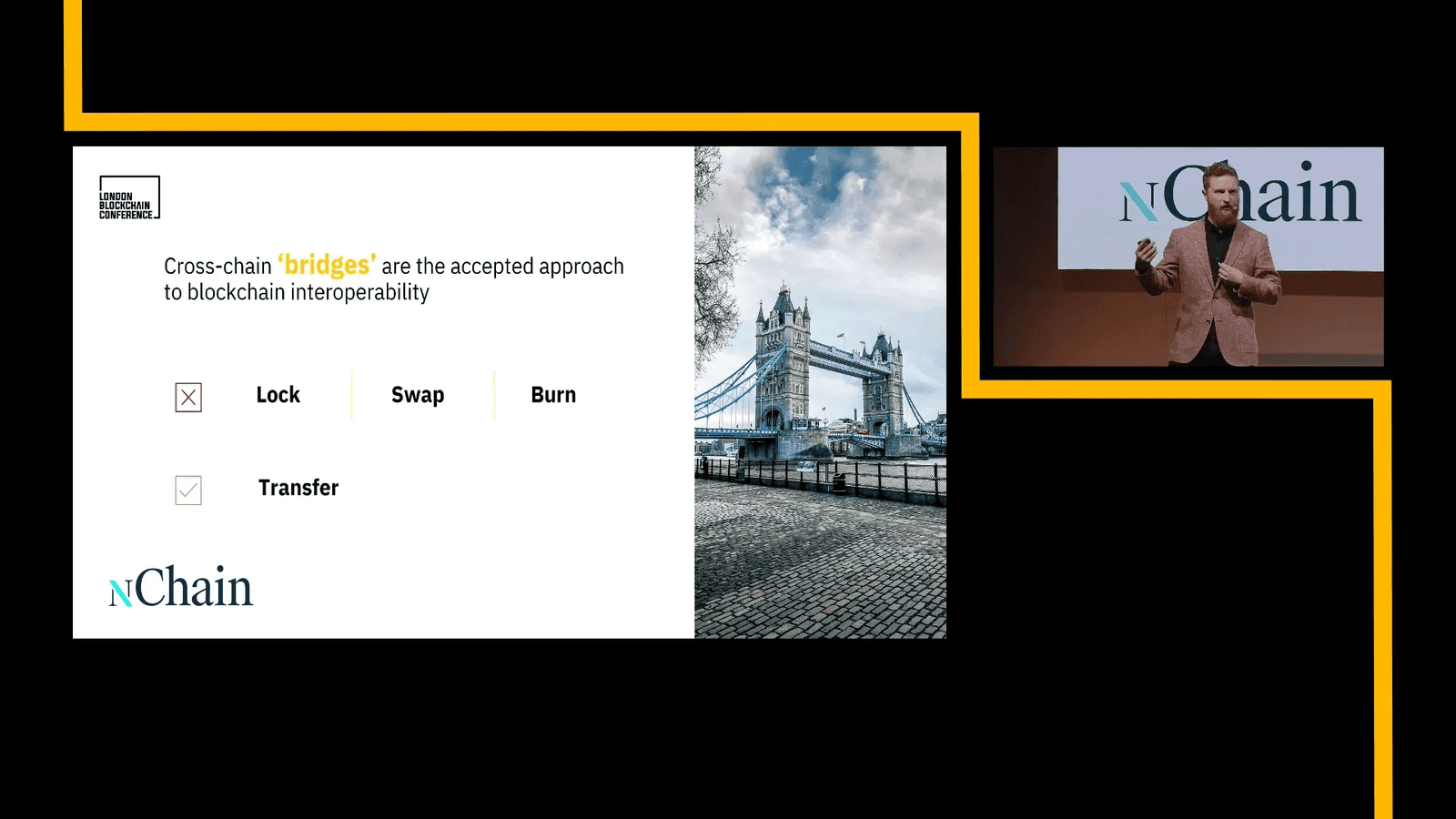
Bridges have become a popular solution for achieving interoperability between different blockchains. The concept is fairly straightforward: when you want to move an asset from one blockchain to another, you use a bridge. This involves transferring the asset onto the bridge and then off to the destination blockchain. However, this process can be either centralized or decentralized.
While centralized bridges offer some ease of use, they introduce a single point of failure. On the other hand, decentralized bridges aim to eliminate this risk but often come with their own complexities and challenges.
The Complexities of Bridges
Despite their popularity, bridges are fraught with complexities. Many users encounter issues related to locking, swapping, or burning assets, which can lead to confusion and potential loss. The reliance on third-party systems to facilitate these transfers raises fundamental concerns about security and trust.
Moreover, bridges typically require a significant investment in terms of integration and maintenance. They often only function between specific blockchain pairs, limiting their usability. The history of significant hacks on bridges, such as the infamous $320 million hack of Wormhole, highlights the vulnerabilities inherent in this approach.
The Concept of Transfer vs. Swap
In the realm of blockchain interoperability, it is essential to differentiate between the concepts of transfer and swap. A transfer involves sending an asset directly from one blockchain to another, while a swap typically requires having the same value of an asset on both chains before the exchange can occur.
This distinction is crucial because it simplifies the process. Users should be able to transfer their digital assets without needing to match values across different blockchains. Emphasizing transfer over swap can streamline interactions and enhance user experience.
Introducing Universal Blockchain Assets
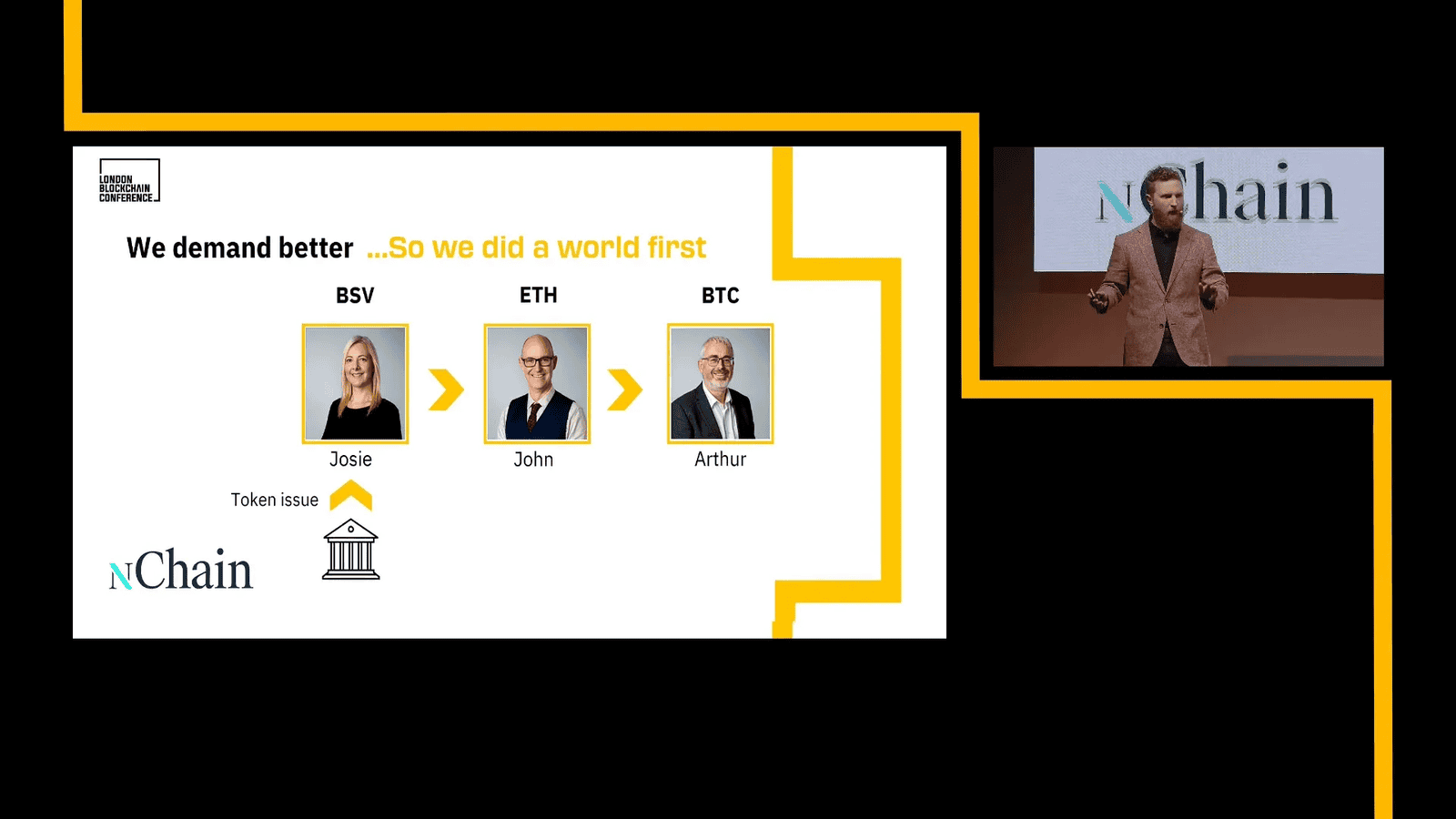
To address the limitations of bridges and enhance interoperability, the concept of Universal Blockchain Assets has emerged. These assets are designed to be issued on one blockchain yet can be transferred seamlessly across different blockchains without being restricted to a single network.
The introduction of Universal Blockchain Assets allows users to transfer ownership directly between parties on different chains. This system eliminates the need for intermediaries, reducing the risk of hacks and enhancing overall security.
Understanding the Packet System
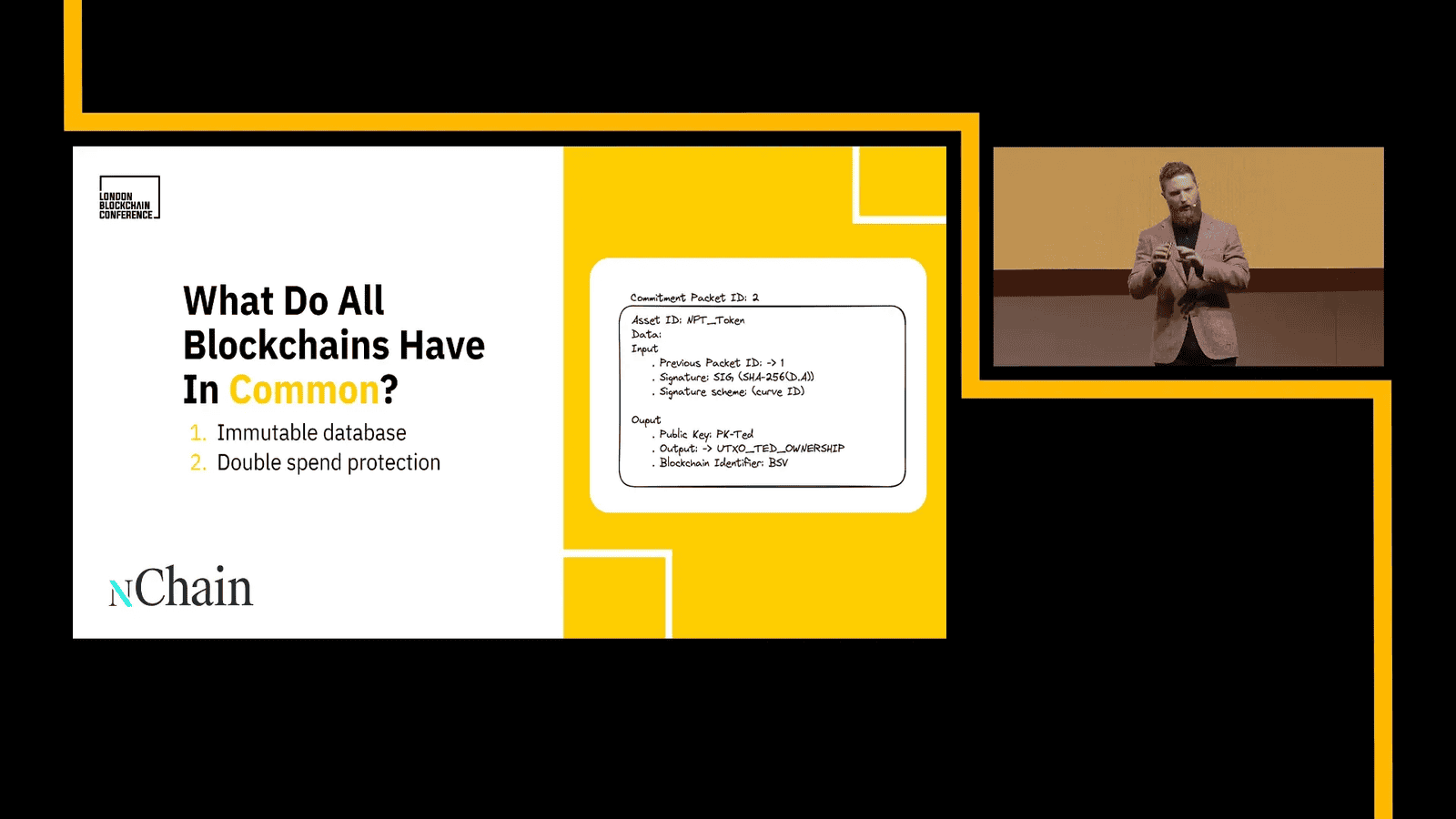
The innovation of the packet system is a breakthrough in facilitating cross-chain transfers. Unlike traditional transactions, a packet records a transfer of ownership without being tied to a specific blockchain transaction.
This packet includes essential information such as the previous owner’s reference and signature, as well as the public key of the recipient. By also specifying the chain that the asset resides on, the packet ensures that the transfer is secure and verifiable.
Demonstrating Cross-Chain Transfers
The real power of the packet system becomes evident when demonstrating cross-chain transfers. For instance, if Alice holds an NFT on the BSV blockchain and wants to send it to Bob, who uses Ethereum, she can create a packet that facilitates this transfer without him needing to interact with BSV directly.
This method not only simplifies the process but also enhances security. As assets are transferred across chains, each party can confirm ownership and verify the transaction through the packet system, ensuring a reliable and seamless experience.

Academic Rigor in Blockchain Development
In the world of blockchain, academic rigor is paramount. It is not enough to have innovative ideas; they must be thoroughly vetted and validated. Rigorous testing and validation ensure that the solutions proposed are not only innovative but also secure and reliable.
At nChain, the focus on academic rigor manifests through detailed research and development processes. The team emphasizes mathematical proofs to establish the security and privacy of the protocols being developed. This commitment to academic integrity sets a solid foundation for the future of blockchain technology.
The Future of Interoperability
The future of interoperability in blockchain technology is bright, with new protocols and standards emerging to facilitate seamless interactions between different chains. As more organizations recognize the importance of interoperability, we can expect to see a shift towards solutions that prioritize cross-chain functionality.
This evolution will likely lead to the development of more sophisticated tools that can handle complex transactions across multiple blockchains. These tools will not only enhance user experience but also broaden the scope of what can be achieved in the blockchain ecosystem.
Potential Developments
- Universal Standards: The establishment of universal standards for asset representation across different blockchains could simplify transactions.
- Enhanced Security Protocols: As interoperability grows, so will the need for robust security measures to protect against potential vulnerabilities.
- Decentralized Finance (DeFi): The integration of DeFi across multiple chains will create new financial products and services that leverage the strengths of each blockchain.
Real-World Applications of Interoperability
Interoperability is not just a theoretical concept; it has practical applications across various industries. By enabling different blockchain networks to communicate, we can unlock new possibilities for collaboration and efficiency.
One of the most exciting areas is cross-border payments, where interoperability can significantly reduce transaction times and costs. For instance, a user could send funds from a blockchain in one country to a recipient in another without the need for intermediaries.

Key Industries Benefiting from Interoperability
- Healthcare: Patient records could be shared securely across different healthcare providers, improving patient care.
- Supply Chain Management: Companies can track products across various blockchains, ensuring transparency and authenticity.
- Gaming: Assets from one game could be used in another, enhancing user experience and engagement.
Addressing User Experience and Human Error
Despite the advancements in technology, human error remains a significant challenge in blockchain transactions. The complexity of interacting with multiple blockchains can lead to mistakes, such as selecting the wrong asset or blockchain.
To mitigate these issues, there is a growing emphasis on user experience (UX) design. Improved interfaces that simplify the transaction process can help reduce the likelihood of errors. Additionally, AI-driven solutions can assist users by providing guidance and recommendations based on their actions.
Strategies for Enhancing User Experience
- Intuitive Design: Interfaces should be user-friendly, minimizing the steps needed to complete a transaction.
- Automated Assistance: Implementing AI tools that can guide users through the process will reduce the risk of errors.
- Education and Resources: Providing educational resources will empower users to understand the technology better.
Conclusion and Future Directions
The journey towards achieving true interoperability in blockchain technology is ongoing. As we continue to develop and refine protocols, the focus must remain on academic rigor and user experience.
The future holds immense potential for blockchain applications that leverage interoperability. By fostering collaboration among different networks, we can create an ecosystem where innovation thrives, and users benefit from seamless interactions across platforms.
FAQ
What is interoperability in blockchain?
Interoperability refers to the ability of different blockchain networks to communicate and interact with each other seamlessly. This allows for the transfer of assets and data across various platforms, enhancing the overall functionality of blockchain technology.
Why is interoperability important?
Interoperability is crucial because it eliminates silos within the blockchain ecosystem. It enables users to transact across different networks without the need for intermediaries, which can reduce costs and increase transaction speeds.
How can human error be minimized in blockchain transactions?
Minimizing human error can be achieved through better UX design, automated assistance, and user education. Simplifying the transaction process and providing guidance can help users navigate blockchain interactions more effectively.
What industries can benefit from blockchain interoperability?
Industries such as healthcare, finance, supply chain management, and gaming can greatly benefit from blockchain interoperability. Each sector can leverage the technology to enhance efficiency, transparency, and collaboration.