








Interoperability is a crucial aspect of blockchain technology that affects its mass adoption. In this blog, we will delve into the challenges faced in achieving interoperability within the blockchain ecosystem and discuss innovative solutions that could pave the way for a more connected future.
Table of Contents
- Introduction to Interoperability
- Real-World Examples of Interoperability
- Scalability Challenges
- Security Challenges in Interoperability
- Latency Issues Explained
- Innovative Solutions for Interoperability
- The Role of Regulation in Interoperability
- Future of Blockchain Interoperability
- Audience Q&A
- Conclusion
- FAQs about Blockchain Interoperability
Introduction to Interoperability
Interoperability is the cornerstone of a successful blockchain ecosystem. It refers to the ability of different blockchain networks to communicate and interact with one another seamlessly. This capability is essential for developers, businesses, and users alike, as it allows for the exchange of data and assets across platforms without restrictions.
In today’s rapidly evolving digital landscape, interoperability can significantly enhance user experience and foster innovation. However, achieving this goal remains a challenge due to the fragmented nature of the current blockchain environment.
Meet the Panelists
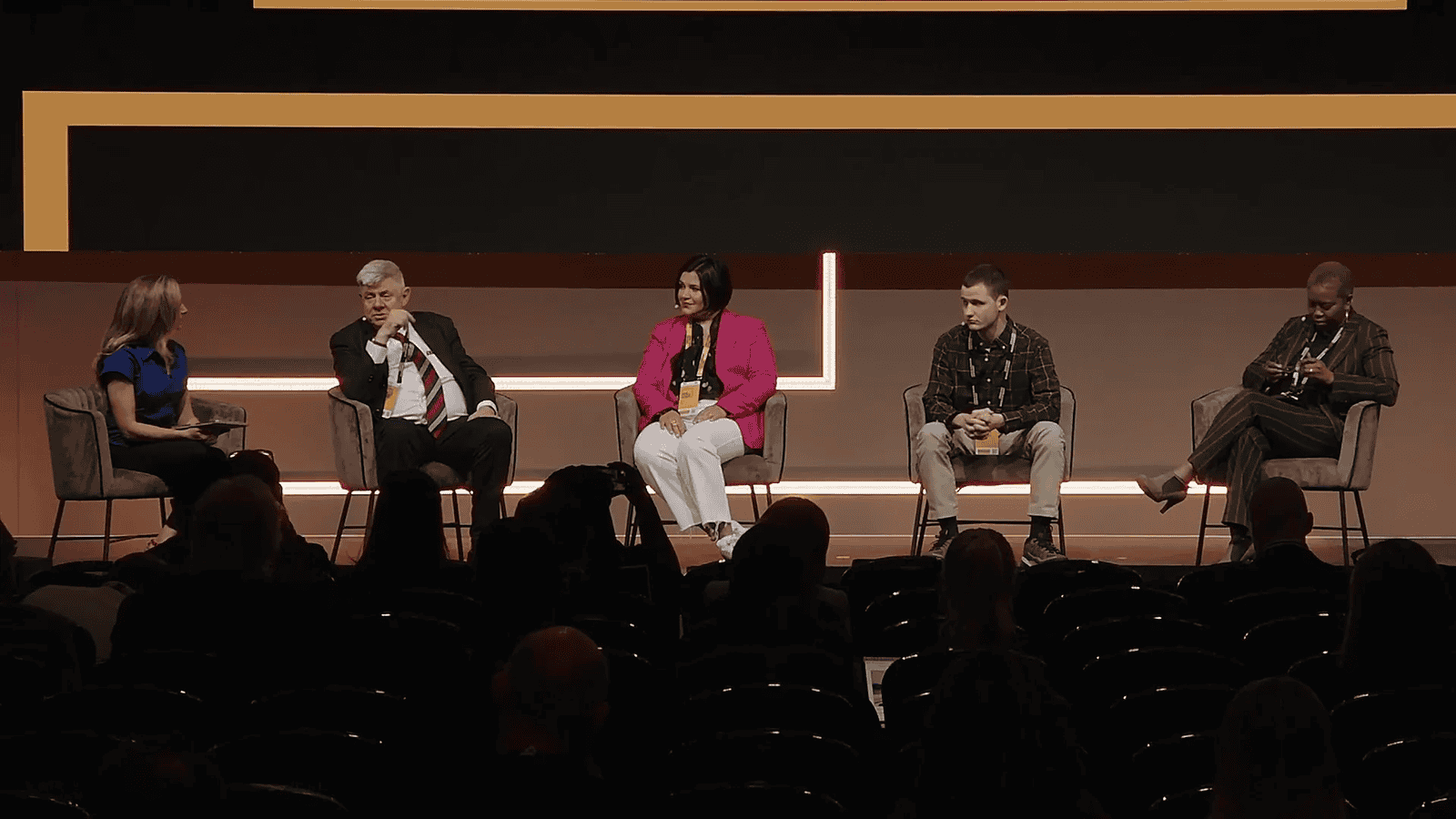
To better understand the complexities surrounding interoperability, it’s crucial to introduce the diverse panelists who bring unique perspectives to this discussion. Each panelist represents different sectors within the blockchain space, contributing to a rich dialogue on the challenges and solutions for interoperability.
- Clen Chambers: CEO of Online Blockchain, Clen has extensive experience in gaming and financial trading. His insights on the financial implications of interoperability are invaluable.
- Irena Benfred: As the B2B Partnerships lead at Rubric, a crypto exchange aggregator, Irena focuses on simplifying user experiences and fostering connections among various blockchain platforms.
- Ty Everett: CEO of Project Babage, Ty is dedicated to establishing developer standards within the Bitcoin space, emphasizing the importance of consistency and reliability in blockchain solutions.
- Evelyn Nayo: A researcher at Trinity College Dublin, Evelyn provides an academic perspective on interoperability, highlighting research findings and challenges that impact the broader blockchain community.
The Importance of Interoperability
Interoperability is not just a technical requirement; it is vital for the mass adoption of blockchain technology. Without it, the potential of blockchain remains largely untapped. Users and developers face significant hurdles when trying to leverage multiple blockchain networks, leading to frustration and inefficiencies.
Moreover, interoperability can enhance security and reduce costs. By enabling different systems to work together, organizations can create more robust and resilient applications that are less vulnerable to attacks. This collaborative approach leads to a more secure and trustworthy environment for users.
Fragmentation as a Barrier
One of the primary barriers to achieving interoperability is fragmentation. The blockchain space consists of numerous networks, each with its own set of rules, tokens, and standards. This fragmentation creates confusion and complicates interactions between different platforms.
Clen Chambers noted that just as different countries have their unique electrical plugs, the blockchain world is filled with varied protocols and standards. This inconsistency can hinder developers from creating applications that work across multiple blockchains, stalling innovation.
As Irena Benfred pointed out, the increasing number of participants in the blockchain ecosystem further complicates the situation. With new projects emerging almost daily, establishing a common ground becomes increasingly challenging. To overcome these barriers, a concerted effort is needed to create universal standards that facilitate seamless communication between different blockchain networks.

Diverse Perspectives on Interoperability
The discussion on interoperability is enriched by the diverse perspectives of the panelists. Each one brings a unique viewpoint based on their experiences and expertise in the blockchain space.
Clen Chambers emphasizes the need for bridges that connect different blockchains, allowing for smoother interactions and transactions. His insights reveal how technological solutions can help mitigate the fragmentation issue.
Irena Benfred highlights the user experience aspect, advocating for solutions that prioritize simplicity and accessibility. As more users enter the space, their needs must be considered to ensure widespread adoption.
Ty Everett focuses on the developer’s perspective, stressing the importance of establishing standards that can guide developers in creating interoperable applications. His passion for fostering a cohesive development environment is critical in overcoming the challenges posed by fragmentation.
Lastly, Evelyn Nayo brings an academic lens to the discussion, exploring the theoretical frameworks that underlie interoperability challenges. Her research can provide valuable insights into the systemic issues that need addressing to create a more interconnected blockchain ecosystem.
Real-World Examples of Interoperability
Interoperability in blockchain isn’t just a theoretical concept; it’s making tangible impacts across various sectors. Real-world applications showcase how different blockchain networks can communicate effectively, enhancing user experiences and operational efficiencies.
One notable example is the use of bridges, such as those developed by Umbre. These bridges facilitate the transfer of assets between different blockchain networks, allowing users to move Ethereum from the Matic network back to Ethereum seamlessly. Such mechanisms, while beneficial, often come with challenges like high costs and security vulnerabilities.
Furthermore, in the gaming industry, interoperability allows players to transfer assets between games. For instance, if a player has an asset in one game, they can use a bridge to move it to another game on a different blockchain. This opens up endless possibilities for gamers, enhancing their experience and the value of their in-game assets.
Another significant area is logistics. Companies like FedEx and DHL can use blockchain technology to streamline package deliveries. By creating a shared blockchain platform, these companies can collaborate to reduce inefficiencies in their delivery processes, leading to a greener and more efficient economy.
In finance, banks are exploring interoperability to facilitate smoother transactions across different financial systems. By standardizing protocols, banks can communicate more effectively, reducing delays and improving security during settlements.
Moreover, smart cities are leveraging interoperability to enhance public safety. For example, traffic management systems can share real-time data across different agencies to respond quickly to incidents, ensuring that emergency services reach their destinations faster.

Scalability Challenges
Scalability remains one of the most pressing challenges in achieving interoperability across blockchain networks. As the number of users and transactions grows, many blockchains struggle to keep up with demand.
To address scalability, solutions must accommodate increasing transaction volumes without compromising speed or security. Current interoperability solutions, such as bridges, may not scale effectively, leading to delays and increased costs.

Ty emphasizes that a blockchain’s transaction cost directly influences its scalability. The cheaper it is to transact, the more transactions will occur, which in turn creates more opportunities for interoperability. However, if a blockchain cannot handle a high volume of transactions, it limits the potential for seamless communication between networks.
Addressing scalability will require innovative architectural approaches. For instance, utilizing a UTXO (Unspent Transaction Output) based architecture can foster greater efficiency compared to account-based systems, which often struggle under high transaction loads.
Security Challenges in Interoperability
Security is a paramount concern when discussing interoperability in blockchain. The interconnected nature of various networks can create vulnerabilities that malicious actors may exploit.
As Irena points out, security is often the primary barrier preventing new users from adopting blockchain technology. Users fear losing their assets due to scams or security breaches, which can occur even when proper precautions are taken.

Furthermore, Clen describes the complexity of managing security across multiple chains as a “risk gasket,” highlighting the multi-dimensional risks that arise from interoperability. Users cannot realistically carry large sums of money securely on their devices, which complicates the self-custody concept fundamental to decentralized finance.
To mitigate these risks, standardizing security protocols across different networks is essential. This would not only enhance security but also simplify the user experience, making it easier for individuals to navigate the blockchain landscape.

Latency Issues Explained
Latency is a critical issue in achieving effective interoperability. The time it takes for information to propagate across different blockchains can significantly impact user experience.
Evelyn highlights that latency can arise from differences in consensus protocols among blockchains. If one blockchain processes information faster than another, it can lead to discrepancies in data availability, complicating transactions.

One promising approach to mitigating latency is through Federated Learning. This method allows different nodes to train their models without sharing sensitive data, enabling them to predict latency and optimize information availability across networks. By preparing data in advance, systems can respond more swiftly to requests, reducing wait times.
In addition, the architecture of certain blockchains, such as Bitcoin SV’s mandala structure, facilitates faster transaction propagation. By ensuring that transactions reach well-connected nodes quickly, latency can be minimized, enhancing overall efficiency.

Innovative Solutions for Interoperability
To tackle the challenges of interoperability, various innovative solutions are emerging. One such solution is the creation of aggregator platforms, which enable users to access multiple blockchain networks through a single interface.
As Irena explains, Rubic acts as an aggregator for bridges and decentralized exchanges, providing users with the flexibility to swap assets across different blockchains easily. This approach not only simplifies the process but also enhances security by allowing users to switch to alternative bridges if one becomes compromised.
Education also plays a crucial role in promoting interoperability. By providing users with clear information and guidance on how to navigate blockchain networks, we can empower them to make informed decisions, reducing the risk of mistakes.
Moreover, the development of standardized protocols for transaction requests can streamline the user experience. If wallets and applications agree on a common interface for creating transactions, developers can build applications that work across multiple blockchains without needing to customize them for each one.

The Role of Regulation in Interoperability
Regulation plays a pivotal role in shaping the landscape of blockchain interoperability. As the technology matures, regulatory compliance will become a necessity for achieving global scalability. Blockchains that embrace regulatory frameworks can foster trust and drive adoption across various sectors.
Clen Chambers pointed out that for a blockchain to be a viable option for enterprises and governments, it must demonstrate a commitment to regulatory compliance. This includes the establishment of unified standards that promote interoperability among different networks. Without such standards, the blockchain ecosystem risks remaining fragmented and inaccessible.
Moreover, the willingness to adapt to regulatory changes can enhance the credibility of blockchain solutions. As Irena Benfred emphasized, collaboration among industry players is crucial. By coming together to address regulatory challenges, the blockchain community can create an environment conducive to innovation and interoperability.
Ultimately, the integration of regulatory standards will not only facilitate smoother interactions between blockchains but also protect users, ensuring their assets and data remain secure.
Future of Blockchain Interoperability
The future of blockchain interoperability looks promising as advancements in technology and collaboration efforts continue to evolve. As Ty Everett noted, the emergence of interoperability layers can simplify interactions among different blockchain networks, paving the way for enhanced functionality.
Chain abstraction, as proposed by industry experts, presents a viable pathway to unify fragmented liquidity across multiple chains. By creating a single entry point for various blockchain networks, users can benefit from a seamless experience without navigating the complexities of each individual chain.
Furthermore, educational initiatives will play a significant role in shaping the future of interoperability. As more users become educated about blockchain technology, the demand for interoperable solutions will grow. This awareness will drive innovation and prompt developers to create applications that prioritize interoperability.
The next few years will likely see significant strides towards achieving interoperability, with a focus on user-friendly interfaces and robust security measures. The collective efforts of developers, regulators, and industry stakeholders will be essential in realizing this vision.
Audience Q&A
During the panel discussion, the audience raised pertinent questions about the challenges and opportunities surrounding blockchain interoperability. One audience member inquired about the top changes needed to enhance interoperability.
Panelists unanimously agreed that establishing standardized protocols across wallets is crucial. This would ensure that digital signatures and encryption methods are consistent, enabling smoother transactions. Additionally, fostering collaboration among competing interests within the blockchain space can lead to unified efforts that promote growth and sustainability.

Another question focused on the feasibility of achieving mass adoption of blockchain technology. Panelists provided varying timelines, with many suggesting that widespread adoption could occur within the next five to fifteen years. The consensus was that as blockchain technology becomes more user-friendly and integrated into everyday applications, its acceptance will grow.
Conclusion
The journey towards blockchain interoperability is fraught with challenges, yet it holds tremendous potential for the future. By addressing regulatory concerns, enhancing user experiences, and fostering collaboration among industry players, the blockchain ecosystem can become more interconnected.
As we look ahead, the importance of interoperability cannot be overstated. It is the key to unlocking the full potential of blockchain technology, allowing for seamless transactions and data exchanges across diverse platforms. The collective efforts of developers, regulators, and users will shape the future of this promising technology.
FAQs about Blockchain Interoperability
What is blockchain interoperability?
Blockchain interoperability refers to the ability of different blockchain networks to communicate and interact with one another seamlessly. This capability is essential for enhancing user experiences and fostering innovation across the blockchain ecosystem.
Why is interoperability important for blockchain adoption?
Interoperability is vital for blockchain adoption as it enables users and developers to leverage multiple blockchain networks without facing significant hurdles. It enhances security, reduces costs, and promotes innovation by allowing diverse systems to work together.
What are the main challenges to achieving interoperability?
The primary challenges include fragmentation of blockchain networks, varying standards, security concerns, and scalability issues. Addressing these challenges requires collaborative efforts to establish universal standards and protocols.
How can regulation impact blockchain interoperability?
Regulation can foster trust in the blockchain ecosystem by establishing compliance standards that promote interoperability. Embracing regulatory frameworks can enhance the credibility of blockchain solutions and encourage widespread adoption.
What is the future outlook for blockchain interoperability?
The future of blockchain interoperability is promising, with advancements in technology and collaborative efforts driving innovation. As more users become educated about blockchain, the demand for interoperable solutions will grow, leading to significant strides towards achieving seamless interactions among blockchain networks.